HISTORY: DRAFT Full History of Electric Vehicles: Why It Took 200 Years!
### Pre-Electric - Muscle Power Ruled (0- 1820s)

Before the hum of motors and the rush of asphalt, land travel was a symphony of rhythmic hoofbeats and creaking wood.
For millennia, the pace of human life was dictated by the endurance of muscle—be it the steady trek of a pack ox or the thundering gallop of a messenger’s horse. To move across the earth meant navigating rutted trails in horse-drawn carriages or simple carts, where the wind and the terrain were the only “fuel” considerations. It was a world of slow, organic motion, unaware that it stood on the brink of a mechanical revolution.
### Electric Beginnings - The Tinkering Pioneers (1820s – 1880s)
This era of organic endurance met its first challenger not with a roar, but with a silent, invisible spark.
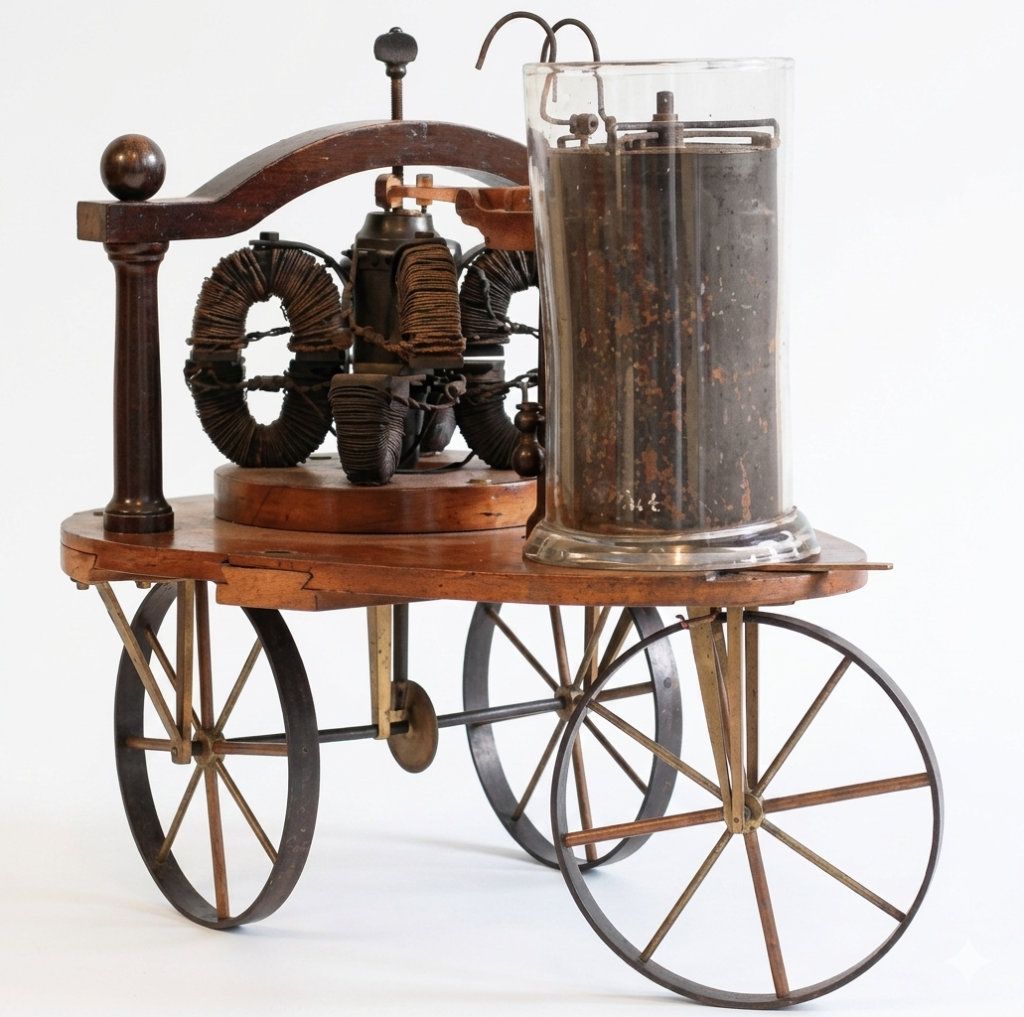
The very seeds of electric propulsion were sown by 19th-century inventors who were essentially trying to “electrify” the horse and carriage. Around 1828, a Hungarian priest named **Ányos Jedlik** created the first rudimentary electric motor and applied it to a small model car. While it wasn’t carrying any passengers, it proved the concept was possible.
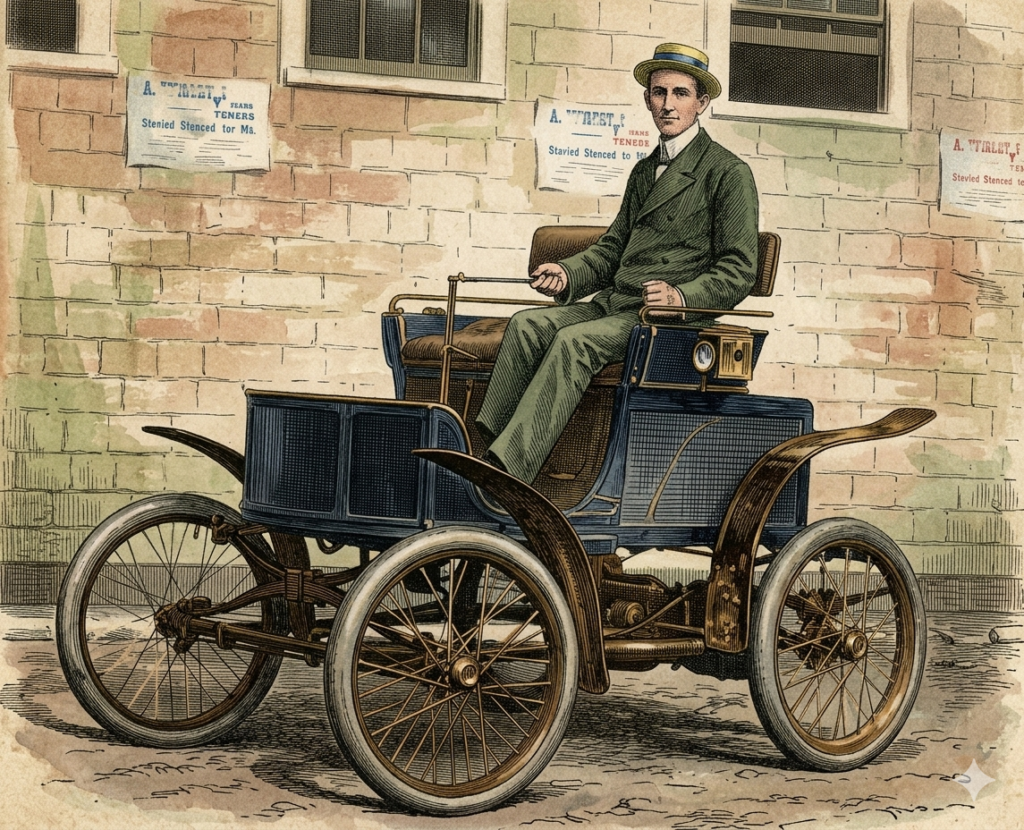
By the 1830s, **Robert Anderson** of Scotland built what is often cited as the world’s first full-scale electric carriage. It was powered by non-rechargeable galvanic cells, meaning that once the chemicals were spent, you essentially had to replace the “battery”.
These “horseless” pioneers were ahead of their time, tethered to non-rechargeable batteries that died as quickly as they were born. Yet, they proved that wheels could turn by electricity alone, setting a century-long fuse.
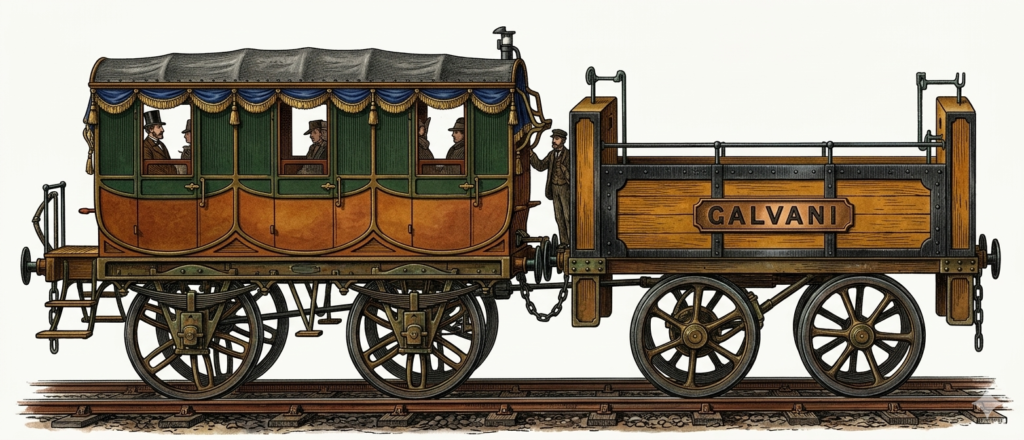
These early machines were technical marvels but economic nightmares. In 1837, another Scotsman, **Robert Davidson**, built a massive electric locomotive named the **Galvani**, which could tow six tons at 4 mph. Sadly, it met a tragic end when jealous railway workers, fearing for their jobs tending steam engines, destroyed the prototype.
### Electric Vehicle Turning Point
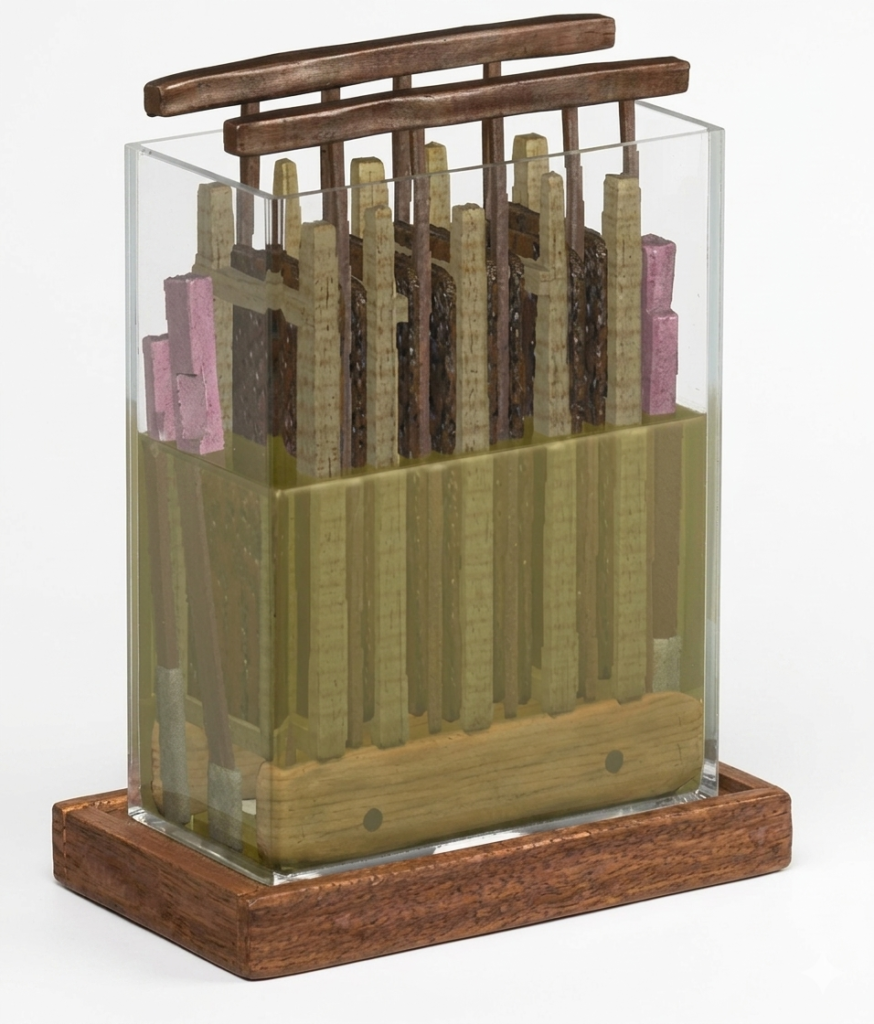
The real “spark” for the industry came in 1859, when **Gaston Planté** invented the **rechargeable lead-acid battery**. This meant electricity could be stored and replenished, turning a scientific toy into a viable machine.
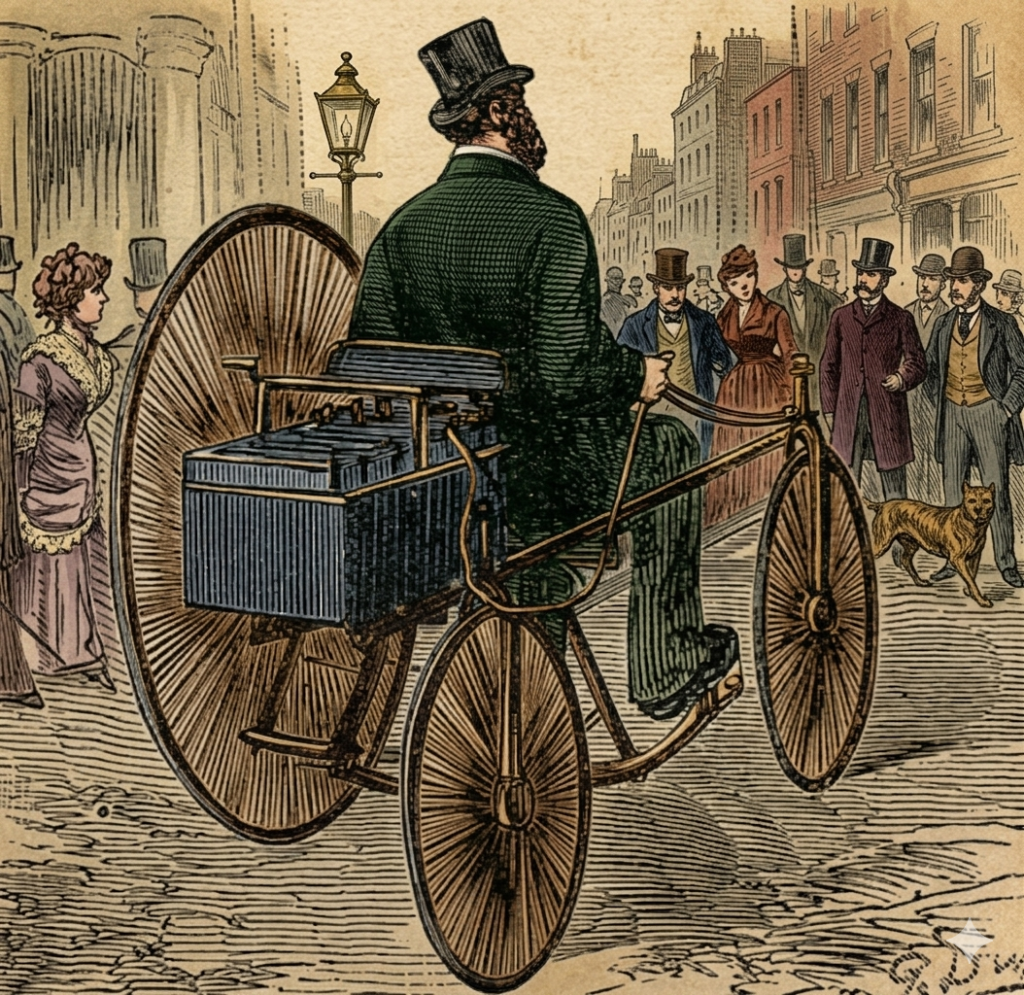
In 1881, **Gustave Trouvé** presented the first functional, human-carrying EV to use rechargeable storage: a three-wheeled tricycle tested on the streets of Paris.
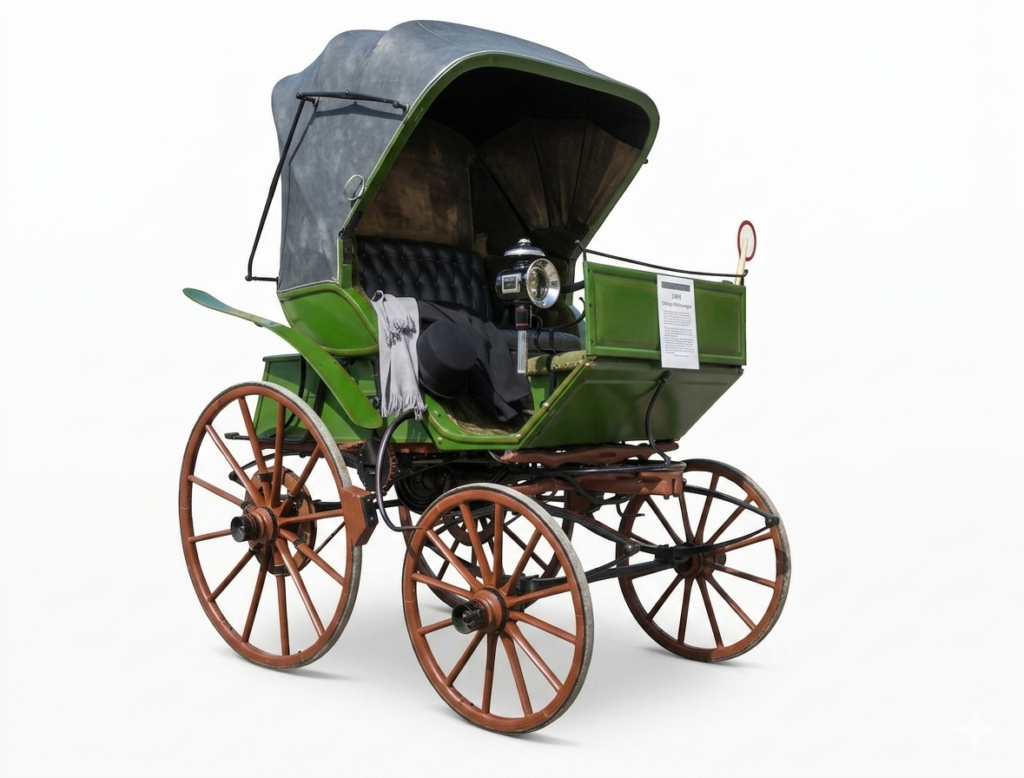
Not far behind was the **Flocken Elektrowagen** (1888), often considered the first true electric car because of its four-wheel design and 15 km/h top speed.
### Electric Golden Age: When Electrics Were King (1890 – 1915)
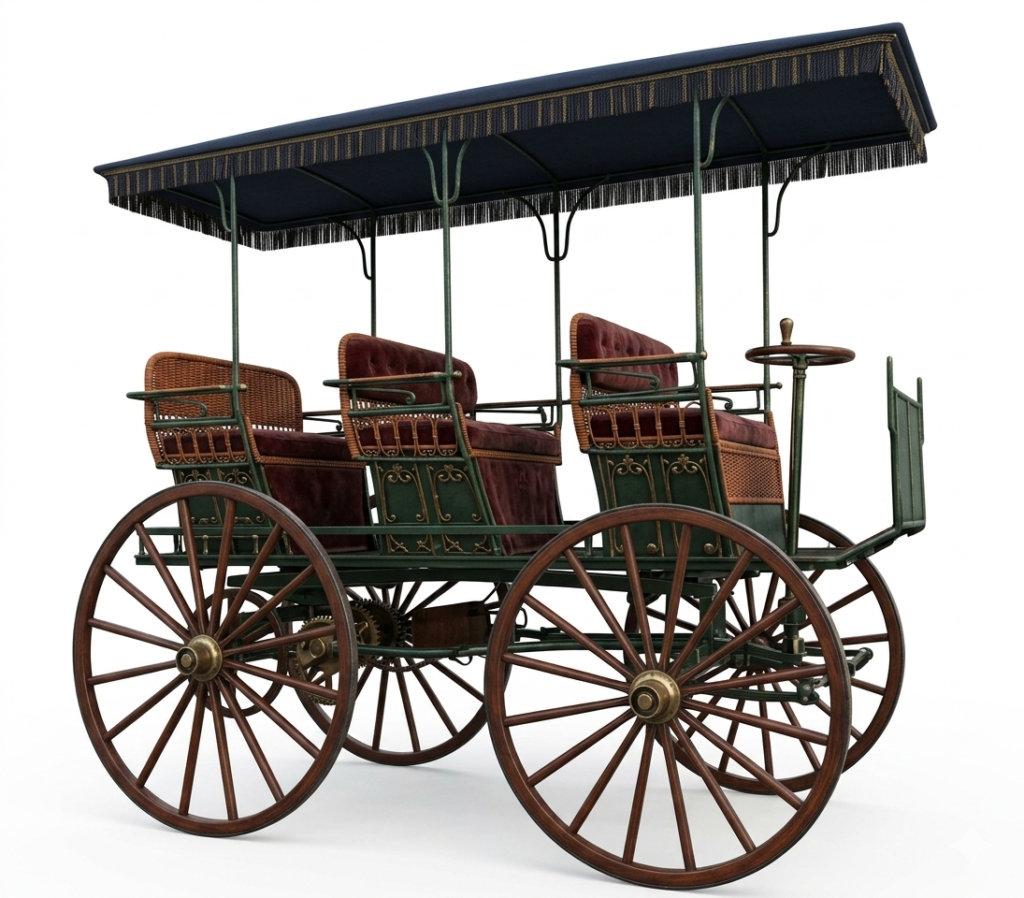
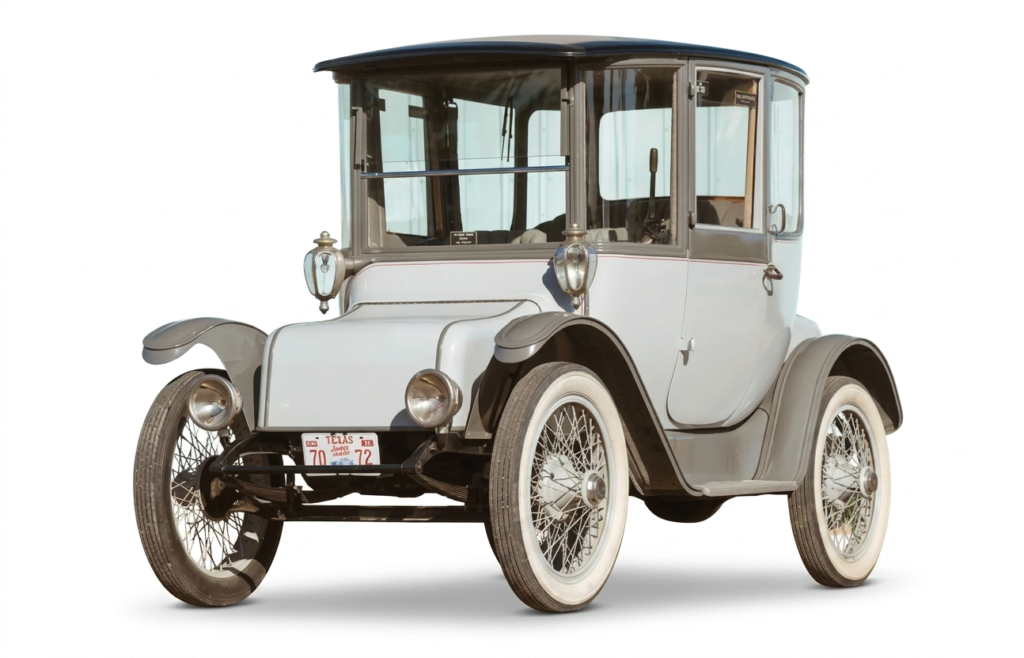
As the 20th century approached, the electric car became the “it” vehicle for the urban elite [13, 21]. Unlike early gasoline cars, which were loud, smelly, and required a dangerous hand-crank to start, electrics started with the flip of a switch. They were the favorite of the upper classes and women—**Clara Ford**, wife of Henry Ford, famously refused to drive her husband’s Model T, preferring her silent **Detroit Electric** instead.
Key models of this era included:
* **The Morrison Wagon (1890/91):** Built by William Morrison, this was the first successful electric automobile in the United States, seating six people and reaching 14 mph.
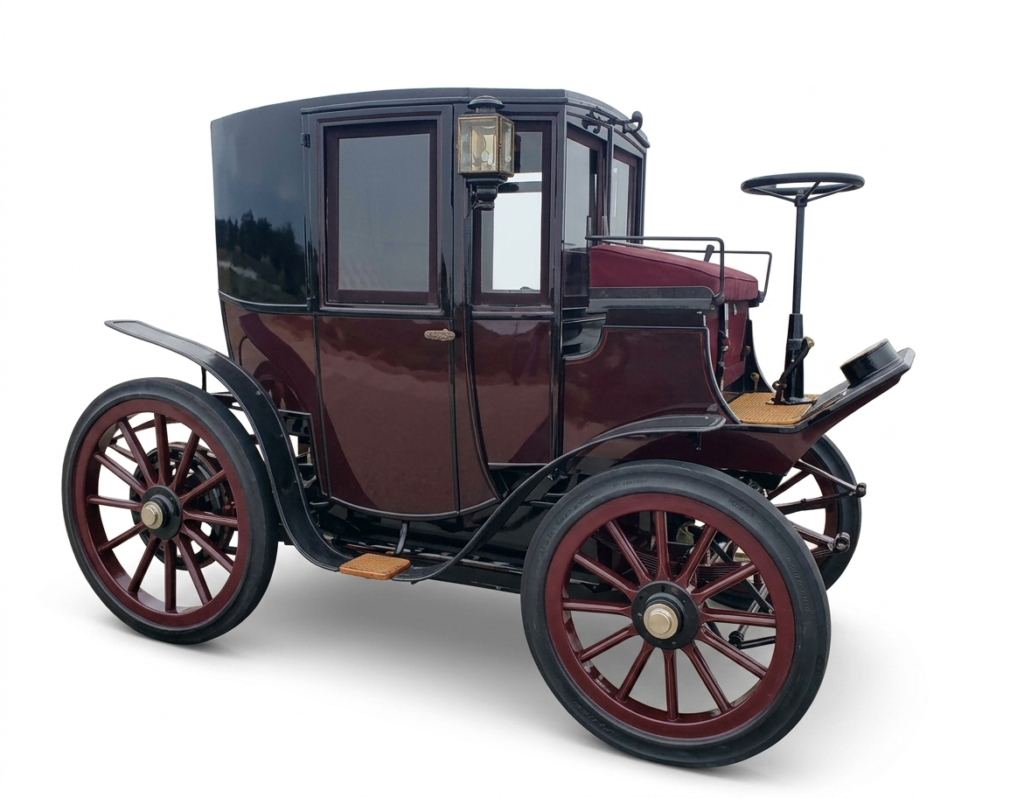
* **The Columbia Mk III Brougham (1897):** These were the workhorses of early taxi fleets in New York City. They were incredibly heavy, carrying 1,672 lbs of batteries to achieve a range of about 40 km.
* The gold standard of the era, with over 13,000 units produced. Their **Model 47** William C. Anderson offered an 80-mile range, which is still respectable for city driving today.
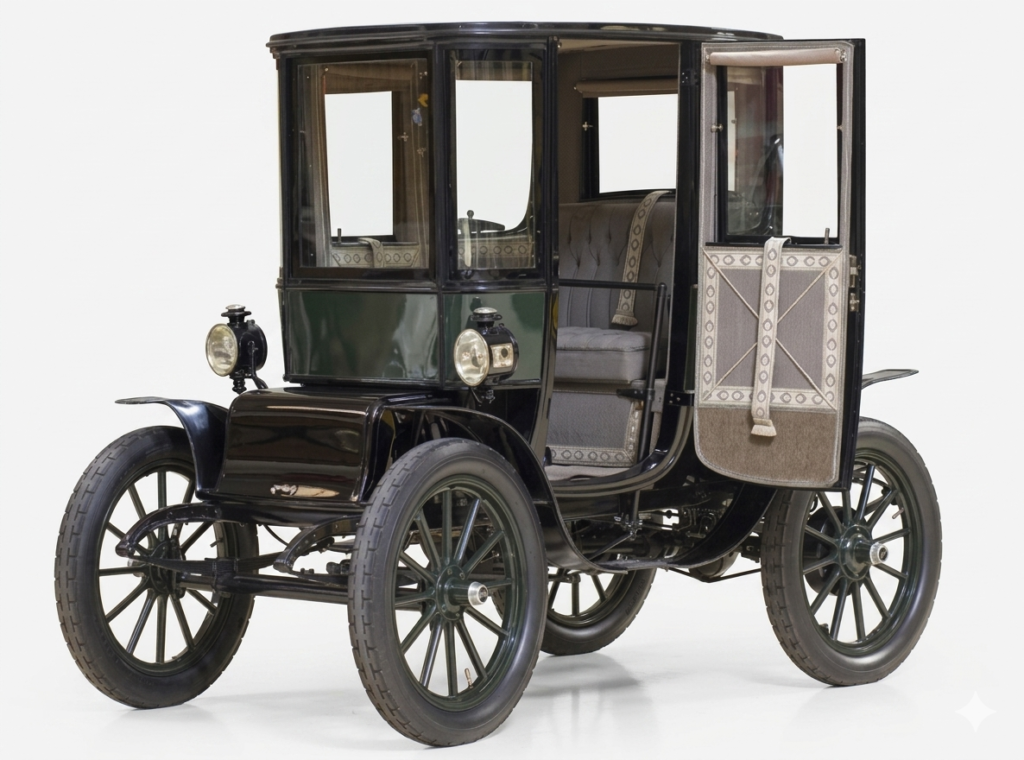
* **The Baker Electric (1899-1915):** Founded by Walter Baker, this company became the world’s largest EV maker by 1906. Their **Runabout** sold for $850, while the luxurious **Landolet** reached $4,000. Even Thomas Edison bought a Baker as his first car.
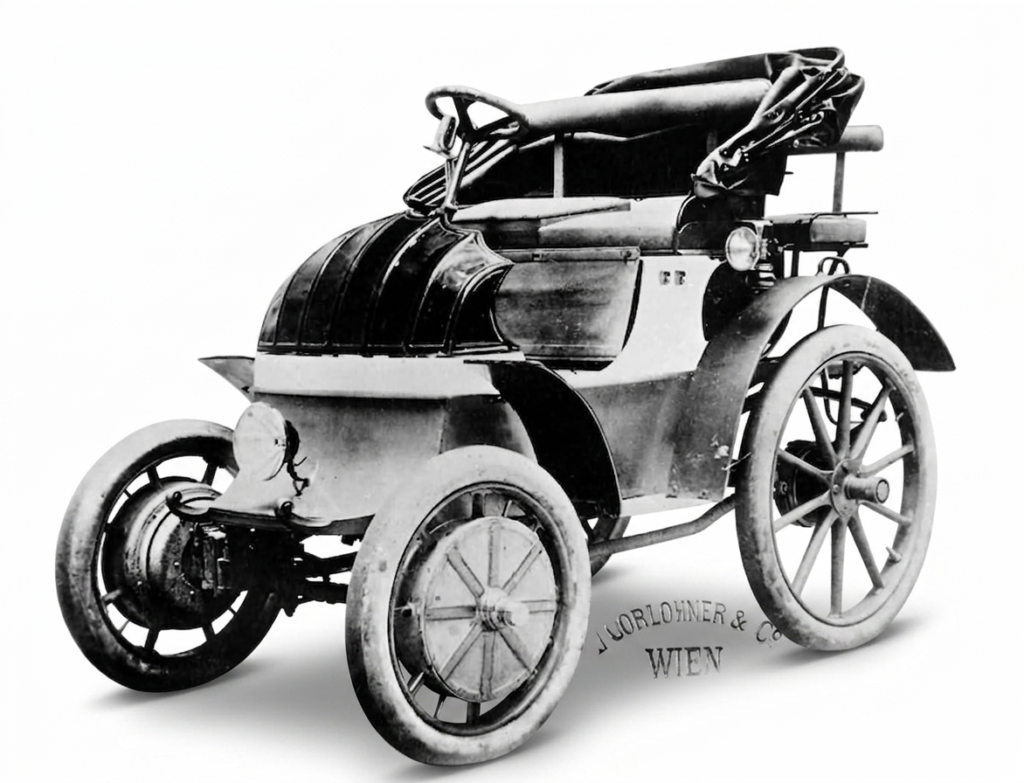
* **Lohner-Porsche (1900):** A young Ferdinand Porsche designed this marvel with **hub motors in the wheels**, a design feature used in some modern EVs.
### Electric Starter – Giving Petrol Cars the Edge (1912)
Despite their popularity, the tide turned around 1912. **Charles Kettering** invented the electric starter for gasoline engines, removing the “broken arm” danger of hand-cranking. Simultaneously, **Henry Ford’s** assembly line dropped the price of a Model T to under $300, while a typical electric car cost ten times that amount.
With the convenience of the electric starter, the petrol vehicles led by Henry Ford surged ahead and interest in Electric Vehicles disappeared and in the 1920s The “Dark Age” of the EV had begun.
### Electric Niche - Utility Era (1930s – 1960s)
Post-WWII fuel shortages sparked brief passenger car revivals, such as the **TAMA electric car** (1947) in Japan and the **Henney Kilowatt** (1959) in the U.S. The Kilowatt was based on a Renault Dauphine chassis and could travel at 60 mph, but at double the price of a gas car, only 100 units were ever made.
While EVs vanished from the open highways, they found a permanent home in the specialized world of delivery. In the United Kingdom, during the 1960s-1980s, the **”Milk Float”** became a national icon. These vehicles were perfect for the stop-start nature of local delivery, and manufacturers like **Wales & Edwards**, **Smith’s**, and **Morrison-Electricars** built thousands of them. Models like these moved milk through neighbourhoods in near-silence for decades.
### Electric - The Oil Crisis Renaissance (1970s)
The oil crises of 1973 and 1979 reminded the world that being hooked on gas was a risky business. Several small startups tried to fill the gap with quirky, wedge-shaped commuters.
* **Enfield 8000 (1973):** A British effort with an aluminum body and a 64 km range. Though technically superior to the CitiCar, its high price made it a rarity outside of utility fleets.
* **Sebring-Vanguard CitiCar (1974):** This wedge-shaped microcar had a lightweight plastic body and an MSRP of just $2,988. With over 4,400 produced, it remained the most common post-WWII electric car until the modern era, despite being “painfully underpowered” with only 3.5 horsepower.
### Electric Flop – Uk Sinclair C5 (1980s)
The Sinclair C5 stands as one of the most ambitious yet ill-fated innovations of the 20th century, launched in 1985 by the legendary British inventor Sir Clive Sinclair. Designed as a revolutionary solution to urban congestion, this one-person electric tricycle featured a low-slung, recumbent seat and a distinctive white polypropylene body. However, the C5 faced immediate backlash due to its limited 15 mph top speed, a motor that frequently overheated on inclines, and a range of only 20 miles. Drivers felt dangerously exposed to traffic in the rainy UK climate, sitting at the level of a truck’s hubcaps with no roof or protective cage.
### Electric -The Compliance Era (1990s – 2003)
The 1990s marked the most significant technological leap before Tesla, largely forced by the **California Air Resources Board (CARB) mandate**, which required automakers to sell zero-emission vehicles to keep their business in California. This “Compliance Era” produced some of the most beloved and controversial cars in history.
**General Motors EV1 (1996):** The first purpose-built modern EV from a major manufacturer [57, 60]. It was a technical masterpiece with a sleek, aerodynamic body and a 0.19 drag coefficient [60, 61]. The second generation used **Nickel-Metal Hydride (NiMH)** batteries, extending its range to 140 miles. GM famously recalled and crushed most of the 1,117 units in 2003, a move that sparked the documentary *”Who Killed the Electric Car?”.
* **Toyota RAV4 EV (1997):** Unlike the two-seater EV1, this was a practical SUV. Its NiMH batteries were so durable that some units are still on the road today with over 150,000 miles on the original pack. Toyota sold 328 units to the public before terminating the program.
* **Honda EV Plus (1997):** This was the first EV from a major maker to [eschew lead-acid batteries entirely in favour of NiMH. About 300 were produced, mostly for lease-only programs.
* **Nissan Altra EV (1998):** This minivan-style vehicle made history as the **first production EV to use Lithium-ion batteries**, the technology that would eventually make Tesla possible. Only about 200 were produced.
* **The Electric Pickups:** Both Ford and Chevy released electrified versions of their light trucks—the **Ford Ranger EV** (1998) and the **Chevrolet S-10 EV** (1997). The Ranger EV actually outlasted its rivals, with 1,500 produced through 2002.
### Electric Vehicles - The Handover to Tesla (2008 -onwards)
When the **Tesla Roadster** finally arrived in 2008, it combined the sleek appeal of the EV1 with the Lithium-ion chemistry pioneered by the Nissan Altra, proving that an electric car could be both high-performance and long-range.
In 2012, the Tesla Model S captured the consumers imagination and pockets, with its performance range and technical innovation.
As we have seen, Tesla didn’t create the electric vehicle; they simply refined a century of persistent, brilliant, and often suppressed innovation. Now, we will see where the industry innovates and develops, creating the next stage in the development of Electric Vehicles.