NEWS:
1,000km BARRIER BROKEN?
Written by SmartGrandad – BEV enthusiast and BEV owner for over 7 years.
The 1,000km Barrier Has Broken: A Reality Check on BYD’s New Range Kings
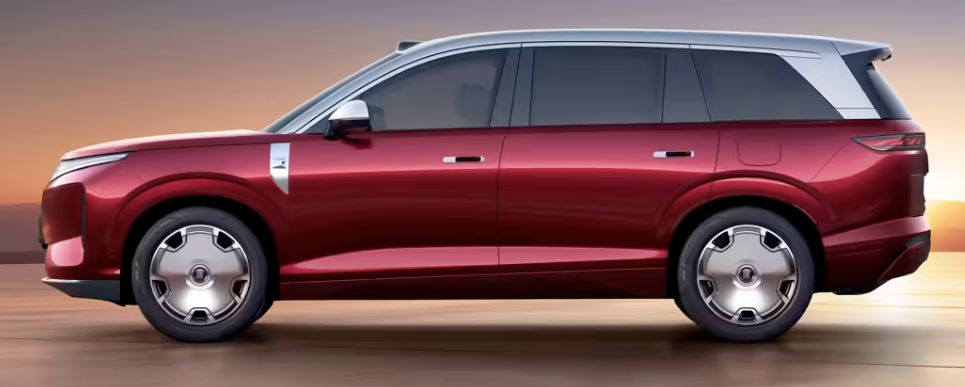
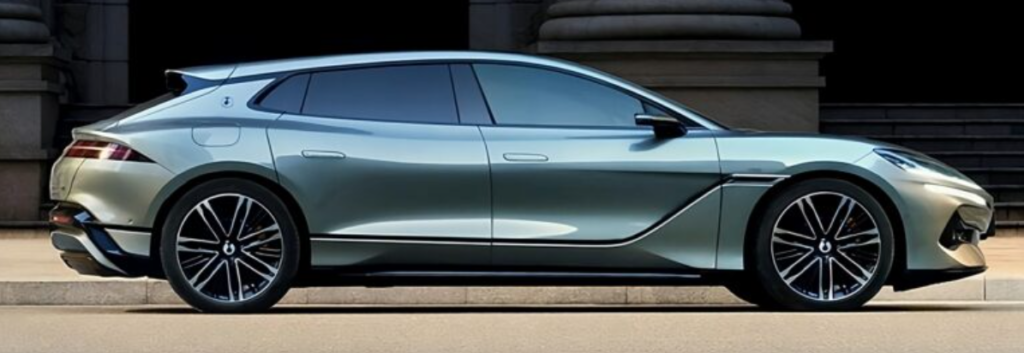
To put that in perspective, you could drive from Paris to Berlin on a single charge. But while the headline number is a dream for “range anxiety” sufferers, how quickly will we see this kind of performance from the rest of the industry?
The Secret Sauce: Refining, Not Reinventing

What’s most impressive about the Denza Z9 GT is that it doesn’t rely on “miracle” solid-state technology. Instead, it uses BYD’s Blade Battery 2.0, a second-generation Lithium Iron Phosphate (LFP) pack.
By perfecting the packaging and thermal management of a 122.5 kWh battery, BYD has proved that existing LFP chemistry—traditionally considered the “budget” option—can dominate range leaderboards.
This is a massive advantage: LFP is cheaper to produce and more durable than the nickel-based batteries typically found in Western luxury EVs.
The Reality Check: CLTC vs. The World
Before we get too excited, we have to look at the fine print. The 1,036 km figure is based on China’s CLTC testing cycle, which is notoriously optimistic.
- Realistic Range: On the more stringent European WLTP scale, this is likely closer to 900 km. In real-world U.S. highway conditions (EPA), expect around 450–480 miles.
- Infrastructure: To support this, BYD also launched 1.5 MW “Flash Charging,” capable of adding 60% charge in just 5 minutes. Most Western charging networks currently peak at 400 kW so you will have to look around for faster chargers. Without the hardware, a 1,000 km battery is just a very heavy paperweight during a road trip.
When Will Other Producers Catch Up?
For legacy automakers like Ford, GM, or even BMW, matching these numbers is a multi-year challenge.
- Supply Chain Gaps: BYD builds its own cells. Most Western rivals rely on third-party suppliers, making it harder to iterate technology as quickly as BYD’s 2026 timeline.
- The Solid-State Wait: While BYD is winning with LFP today, companies like Toyota and Nissan are betting on solid-state batteries to hit the 1,000 km mark. Those aren’t expected in mass-market vehicles until 2027 or 2028 at the earliest.
- Cost Barriers: The Denza Z9 GT starts at roughly $51,700 in China. For a Western producer to offer a 1,000 km range vehicle today, the price tag would likely exceed $100,000.
The Verdict:

BYD hasn’t just built a long-range car; they’ve built a cost-efficient manufacturing template.
Expect a 2–4 year gap before non-Chinese brands can offer similar range at a competitive price.
Until then, the “1,000 km club” remains a very exclusive—and largely Eastern.