OPINION:
Mercedes Benz CLA EV – Before You Buy!
Written by SmartGrandad – BEV enthusiast and BEV owner for over 7 years.
Why You Should Care!
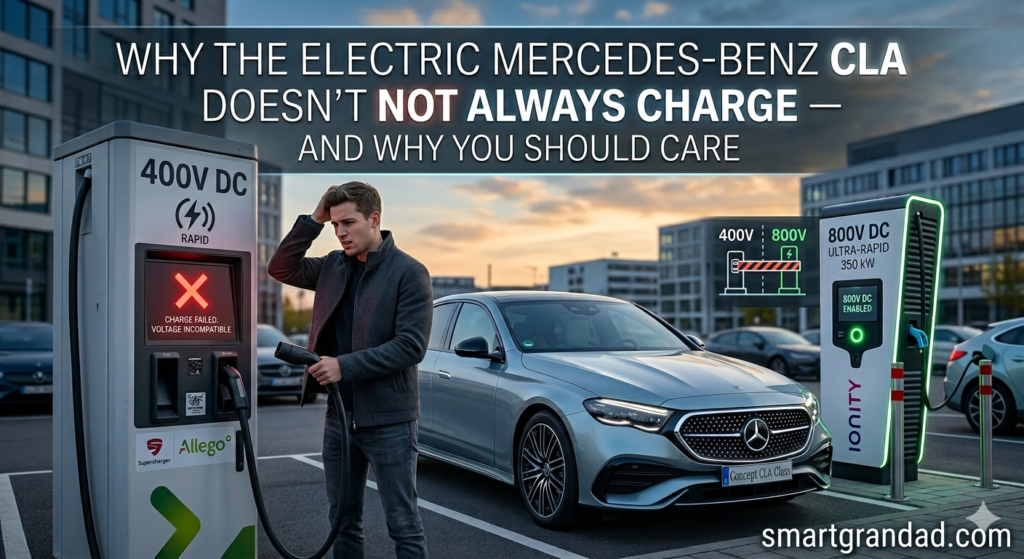
The electric Mercedes‑Benz CLA is a very modern electric car. But, if you are buying new or second hand, there’s a slightly awkward detail that isn’t always obvious until you’re staring at a public charger wondering why nothing is happening.
Put simply, some electric CLAs won’t charge at many fast chargers.
The Clever Bit: 800‑Volt Charging
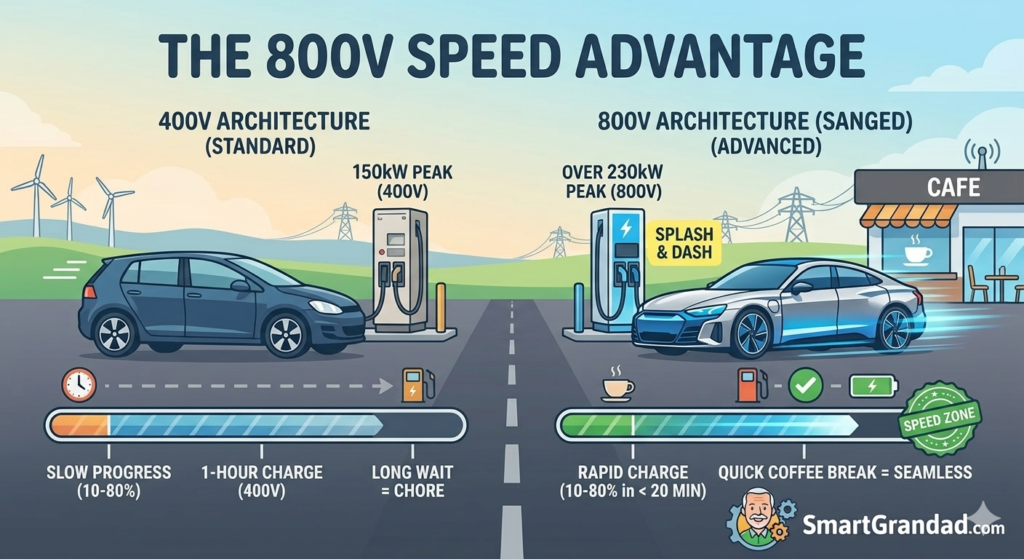
The electric CLA uses an 800‑volt electrical system, the same approach taken by cars like the Porsche Taycan. This is generally a good thing. With the right charger, it allows very high charging speeds — up to 320 kW, enough to take the battery from 10 to 80 per cent in around 22 minutes.
That’s properly quick, and exactly what you want in a car that’s meant to work as a long‑distance tourer.
The Less Clever Bit: What Mercedes Left Out
Here’s where it gets awkward.
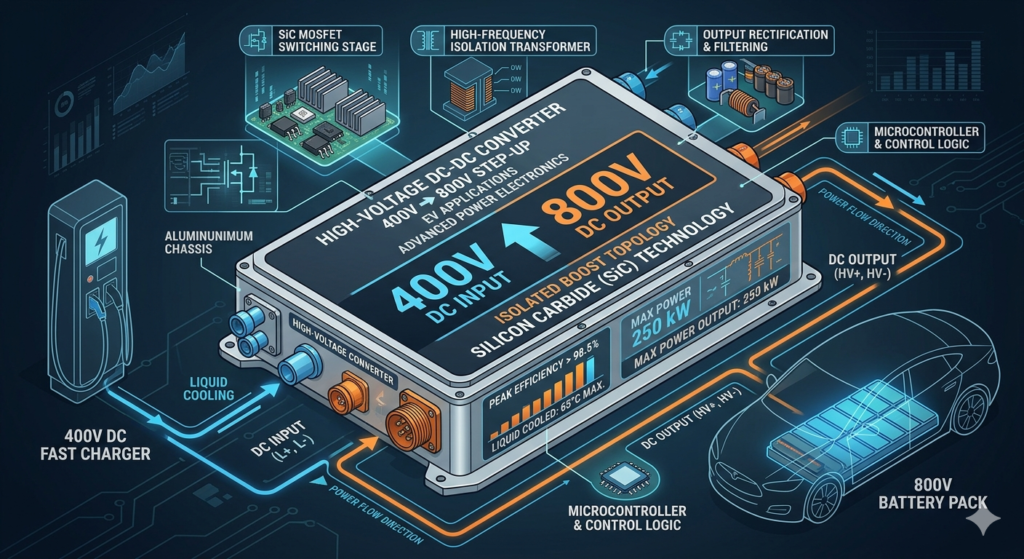
Many early European versions of the electric CLA, those made until Spring 2026, were delivered without a DC/DC voltage converter. That piece of hardware is what allows an 800‑volt car to use older 400‑volt DC fast chargers — the sort that still make up a large chunk of Europe’s charging infrastructure.
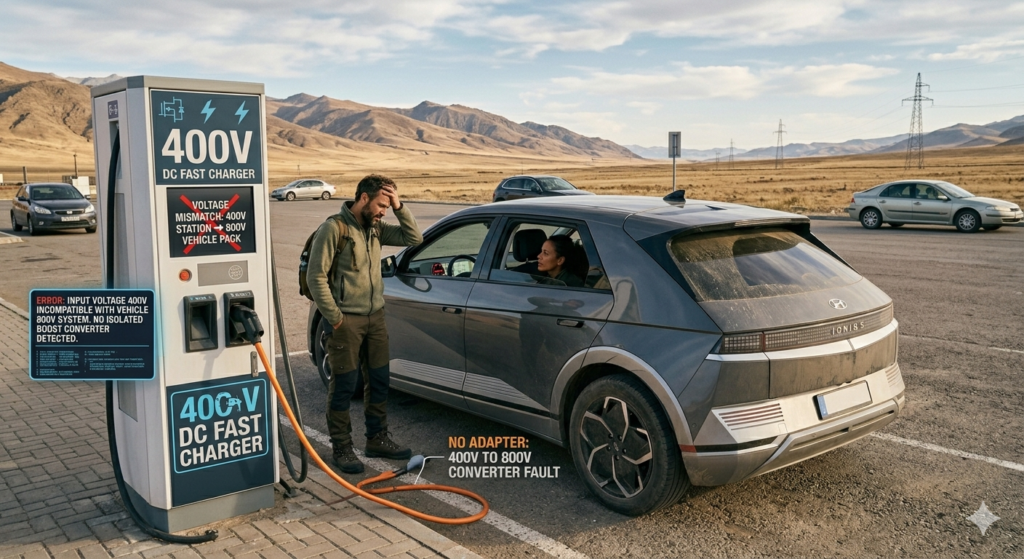
Without it, the result is very simple; plug into a 400‑volt DC fast charger and nothing will happen. Not because the charger is broken, and not because it’s too slow — but because the car itself isn’t equipped to accept the power being offered. This isn’t a software glitch or a temporary limitation. The electricity physically cannot be converted into a form the battery can use.
Why This Is a Bigger Issue Than It Sounds
Across Europe, a huge number of public “rapid” chargers — particularly those installed between 2015 and 2022 — operate at around 400 to 500 volts. These are the chargers you find at supermarkets, smaller motorway services, dealer sites and local authority car parks.
They’re exactly the chargers many drivers expect to rely on.
Even Tesla Superchargers aren’t guaranteed to work. Most V2 and V3 Superchargers also operate at 400–500 V and won’t charge a standard CLA. Only the newest V4 Superchargers, with their taller posts and longer cables, support the higher voltages the CLA needs.
Older “triple‑standard” chargers with CCS, CHAdeMO and Type 2 cables are much the same. You can still use the Type 2 AC connection, but charging speeds drop to something closer to overnight‑stay territory than quick motorway stops.
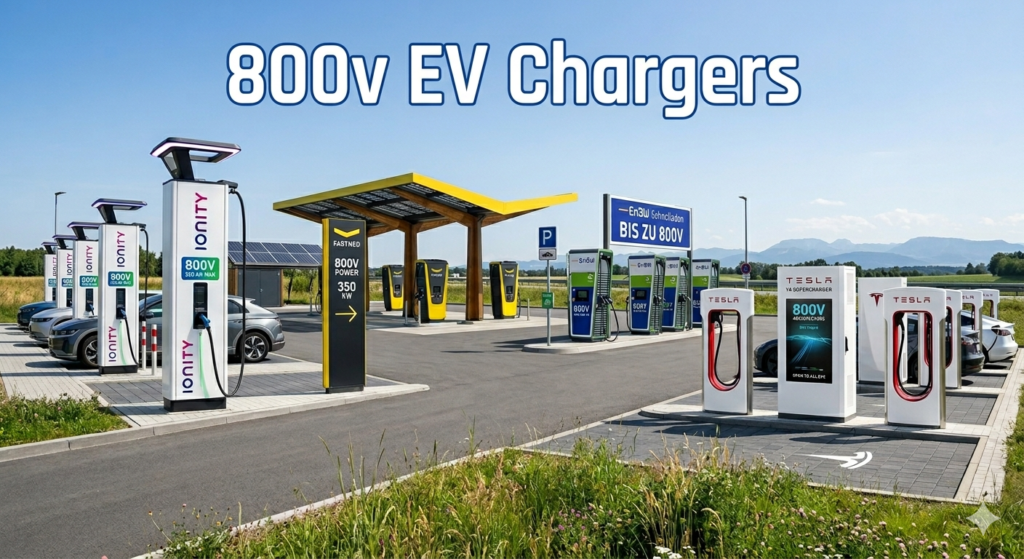
DC Chargers: where the CLA Charges Properly
To get the performance Mercedes advertises, the electric CLA really needs high‑power, 800‑volt‑capable chargers. In practical terms, that means networks such as IONITY, Fastned, EnBW’s Hyperchargers, and — again — Tesla V4 Superchargers only.
At those sites, the car behaves exactly as you’d hope.
Home Charging: Sensibly, No Drama
The good news is that AC charging isn’t affected at all. At home, at hotels or on public AC posts, the CLA charges normally. The onboard charger handles the voltage conversion without fuss, whether you’re using single‑phase or European three‑phase supplies.

Mercedes’ Quiet Course Correction
After a fair amount of criticism, Mercedes changed direction.
From Spring 2026, European‑market electric CLAs are being built with the 400‑volt DC/DC converter included as a factory‑fitted option, depending on market and trim. Earlier cars — particularly late‑2025 and early‑2026 “launch” models — are likely to be without it.
There’s no retrofit planned. If a car leaves the factory without the converter, it will always be limited to 800‑volt DC fast chargers.
What You Need To Do When Buying The CLA EV Coupe & Shooting Brake
These cars are being pitched as electric tourers, not just urban runabouts. Tourers need flexibility, and flexibility means being able to use whatever charger happens to be available.
The CLA gets many things right. When buying, you just need to know exactly which version you’re buying — does it have the 400v converter or not.