OPINION:
The End of Lithium / Cobalt/ Nickel in Batteries?
Written by SmartGrandad – BEV enthusiast and BEV owner for over 7 years.
China’s New Salt-Powered Battery Explained
For years, electric vehicles (EVs) have relied heavily on expensive, scarce materials like lithium, cobalt, and nickel.
But after 10 years & $1.4bn R&D, a potential game-changing breakthrough from Chinese battery giant CATL could soon rewrite the entire rules of driving.
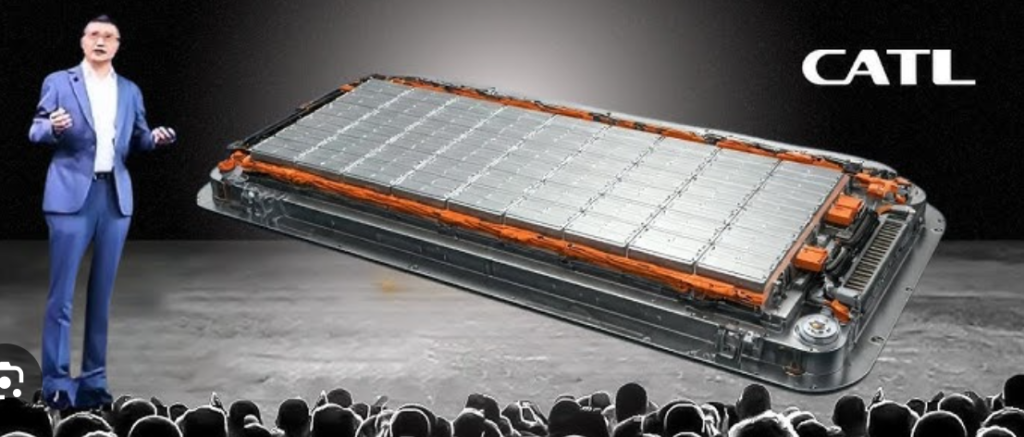
Meet Naxtra, a brand-new EV battery built entirely out of cheap, abundant sodium—essentially sea salt.
While Western carmakers focused exclusively on lithium, China spent a decade perfecting this alternative chemistry.
The results are seriously impressive. According to CATL, this “salt battery” solves the three biggest headaches of modern EVs:
- Extreme Weather Performance: Standard EV batteries lose power rapidly when temperatures plunge. Naxtra reportedly retains 90% of its usable capacity at minus 40 degrees, preventing winter range anxiety.
- Ultra-Fast Charging: When utilizing a compatible 4C ultra-fast charger, the Naxtra battery pack can charge from 5% to 80% state of charge (SoC) in roughly 11 to 15 minutes at room temperature. Naxtra’s sodium-ion architecture allows for rapid ion transfer even down to -40°C (-40°F), meaning you won’t suffer from the massive winter charging bottlenecks that plague current EVs.
- Incredible Lifespan: While standard EV batteries last around 2,000 to 3,000 charge cycles, Naxtra is engineered to exceed 10,000 cycles. That means the battery could easily outlive the car itself.
Safety is another massive bonus. During intense stress testing, the battery remained completely free of smoke and fire, even when crushed, drilled, or sawed into. It can safely maintain ultra-fast charging speeds across an extreme temperature range of -40°C all the way up to 70°C (158°F) without thermal runaway or degradation
With the West’s only major sodium competitor closing doors in late 2025, China is sprinting ahead unchallenged in this energy race.
These salt batteries are already rolling off production lines and moving into heavy trucks and power grids.
The future of the car in your driveway might have nothing to do with lithium—it could be powered by the very same stuff sitting on your kitchen table.
great news