VOLVO EX90: At Last.. The Swedish Safety Icon Goes 800-Volt
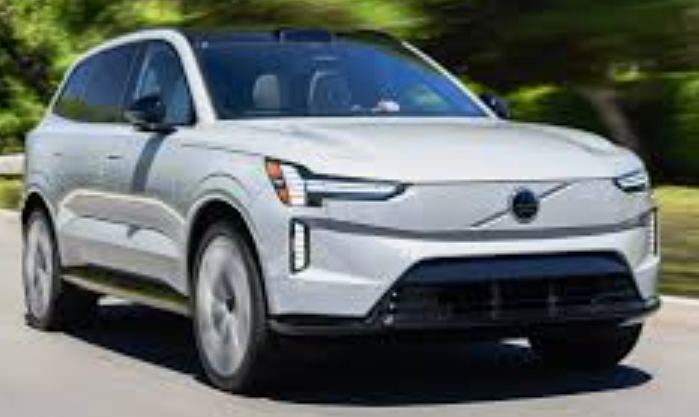
The 2026 Volvo EX90 is a masterclass in the “more but better” philosophy. As Volvo’s flagship 7-seat electric SUV, it has evolved for 2026 with a massive electrical upgrade, making it one of the most advanced family haulers on the planet. It focuses on effortless long-distance travel and an “invisible safety shield.” Price Range: €85,000 – €115,000
Body Style and Dimensions
A luxury full-size SUV (J-segment) that commands the road without looking aggressive.
Length: 5,037 mm
Width: 1,964 mm
Height: 1,744 mm
Platform and Performance
Built on the SPA2 architecture, the 2026 model jumps to an 800V system using NMC chemistry.
Range: Up to 600 km (WLTP).
Efficiency: ~20.8 kWh/100km.
0-100 km/h: 4.9 seconds (Twin Motor Performance).
Technical Capabilities
The EX90 is a computer on wheels, featuring a roof-mounted Lidar sensor as standard. Powered by NVIDIA DRIVE Orin (500 TOPS), it offers Pilot Assist and Emergency Stop Assist, which can safely pull the car over if the driver is unresponsive.
Interior and Storage
The cabin is a leather-free sanctuary using “Nordico” (recycled PET and cork).
Rear Storage: 310L (7 seats) / 655L (5 seats).
Front Storage (Frunk): 34L.
App Functionality
The Volvo Cars App serves as a Digital Key Plus, allowing phone-in-pocket entry. It manages Bi-directional charging (V2G), remote cabin pre-conditioning, and OTA software updates that keep the car fresh.
3 Pros and 3 Cons
Pros:
Ultra-fast 800V charging (10-80% in ~22 mins).
World-leading Lidar safety tech.
Stunning Bowers & Wilkins Dolby Atmos audio.
Cons:
Extremely heavy (over 2,800 kg).
Physical buttons are almost non-existent.
Premium pricing puts it out of reach for many.
Overall Summary
The EX90 is the thinking person’s luxury EV. While the Kia EV9 offers similar space for less, and the BMW iX offers sportier handling, the Volvo wins on pure serenity and safety tech. It’s a sophisticated transition for those moving from the XC90 into the electric era.
Real world range estimates
The table below shows some estimated real-world examples in perfect condition and in conditions needing A/C to heat or cool vehicles. See our range guide to see how the range is affected in real world.