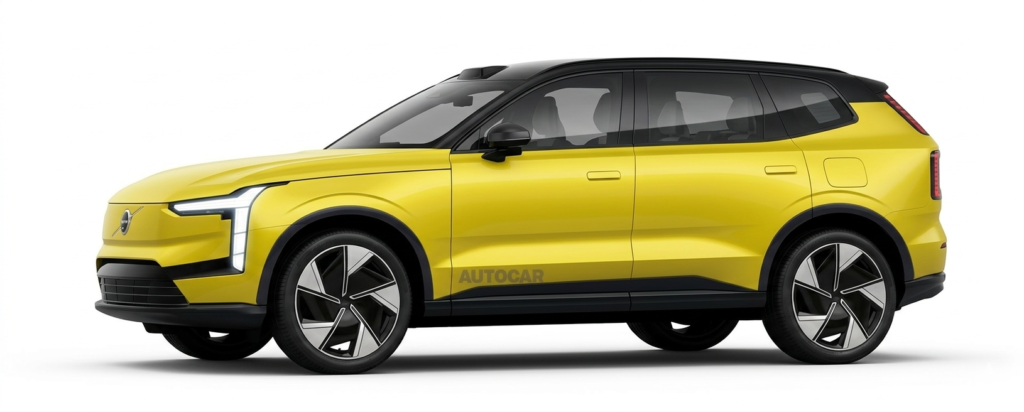
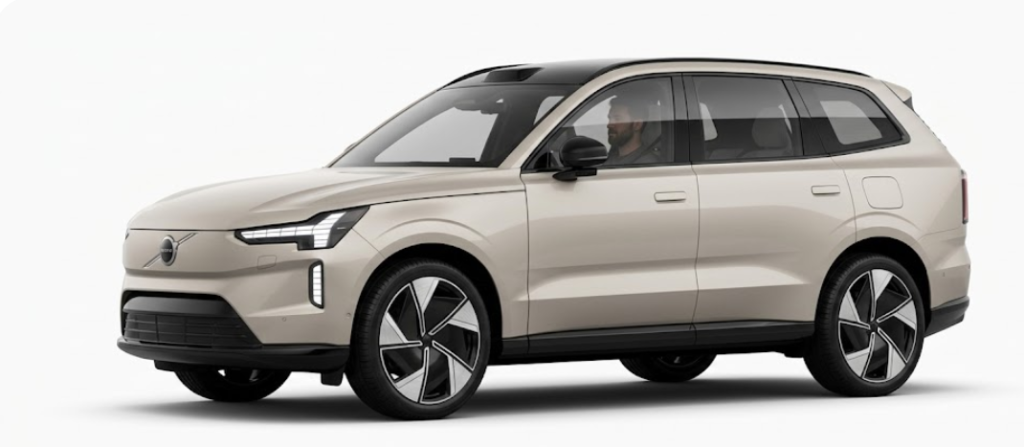
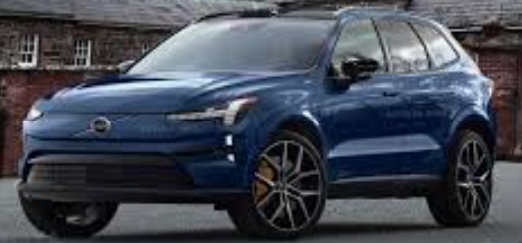
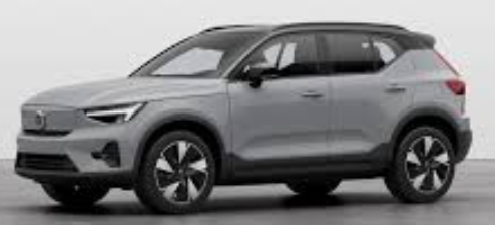
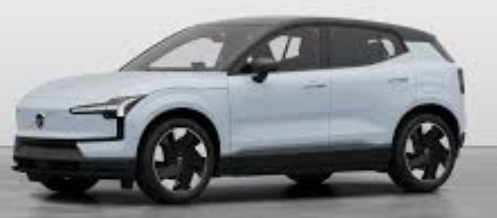
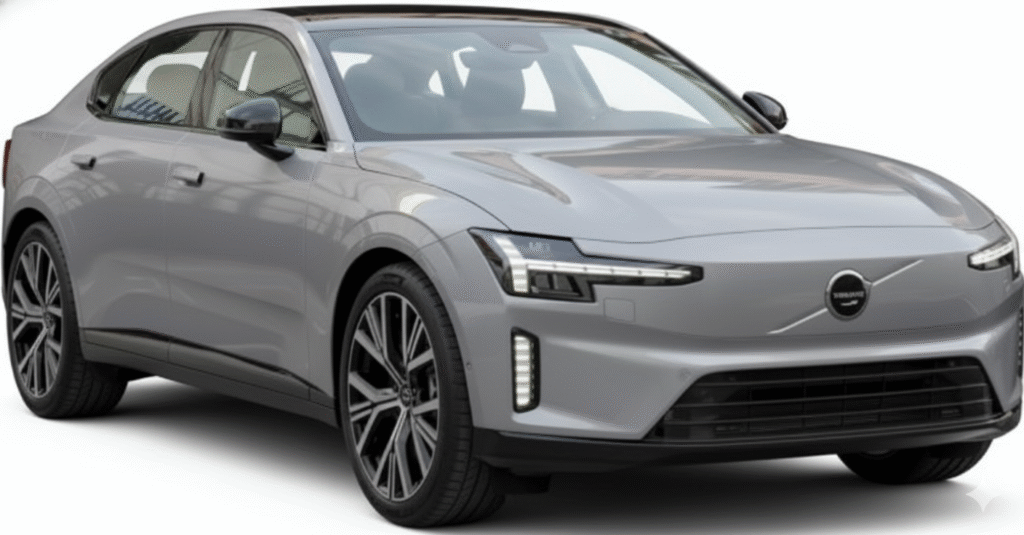
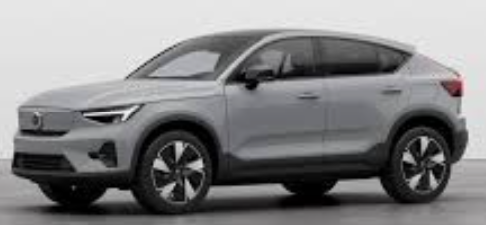
The 2026 Volvo EX60 is the electric successor to the best-selling XC60, and it’s a game-changer. Delivering a best-in-class WLTP range of up to 810 km (503 miles), it effectively ends range anxiety.
Prices start from approximately €66,700 / £56,860, stretching to over €80,000 / £70,000 for high-performance trims. Volvo provides a 3-year/60,000-mile vehicle warranty and an 8-year/100,000-mile battery warranty, ensuring peace of mind for the long haul.
1. Body Style & Size
The EX60 is a 5-door luxury crossover SUV (D-segment). It measures 4,803 mm long, 1,908 mm wide, and 1,635 mm high, offering a slightly lower, more aerodynamic profile than the classic XC60 while maintaining its commanding presence.
2. Platform & Performance
Built on the groundbreaking SPA3 platform, the EX60 features an 800V architecture and NCM battery chemistry. It boasts an efficiency of 14.7–16 kWh/100km, with the flagship P12 model rocketing from 0–100 km/h in just 3.9 seconds.
3. Technical Capabilities
Equipped with a Lidar-ready suite for advanced driver assistance, the EX60 supports 400kW DC fast charging, recouping 10–80% in 18 minutes. It also features a massive 15-inch landscape touchscreen with Google Built-in.
4. Interior & Storage
The cabin is a masterclass in Scandinavian minimalism, utilizing sustainable materials like Nordico and tailored wool blends. Storage is ample, with a 634L rear boot and a convenient 58L front trunk (frunk).
5. App Functionality
The Volvo Cars app offers remote climate pre-conditioning, digital key access, and real-time charging status. It also integrates Range Assistant to help optimize energy consumption on the fly.
6. Pros & Cons
Pros:
* Industry-leading 810 km WLTP range.
* Ultra-fast 800V charging speeds.
* Sustainably sourced, high-end interior.
Cons:
* Premium pricing compared to some rivals.
* The minimalist interface lacks physical buttons.
* Larger dimensions may be tricky in tight urban spots.
7. Overall Summary
The 2026 Volvo EX60 outclasses competitors like the BMW iX3 and Tesla Model Y in both range and charging speed. It successfully blends traditional Swedish safety and luxury with cutting-edge software, making it a top-tier choice for families transitioning to electric power.