Xpeng P7
XPENGs Stunning New P7
– Sports Car
1st Walk Around Showing That This Car is for Fun with a 750km range and over 450kw charging speed.
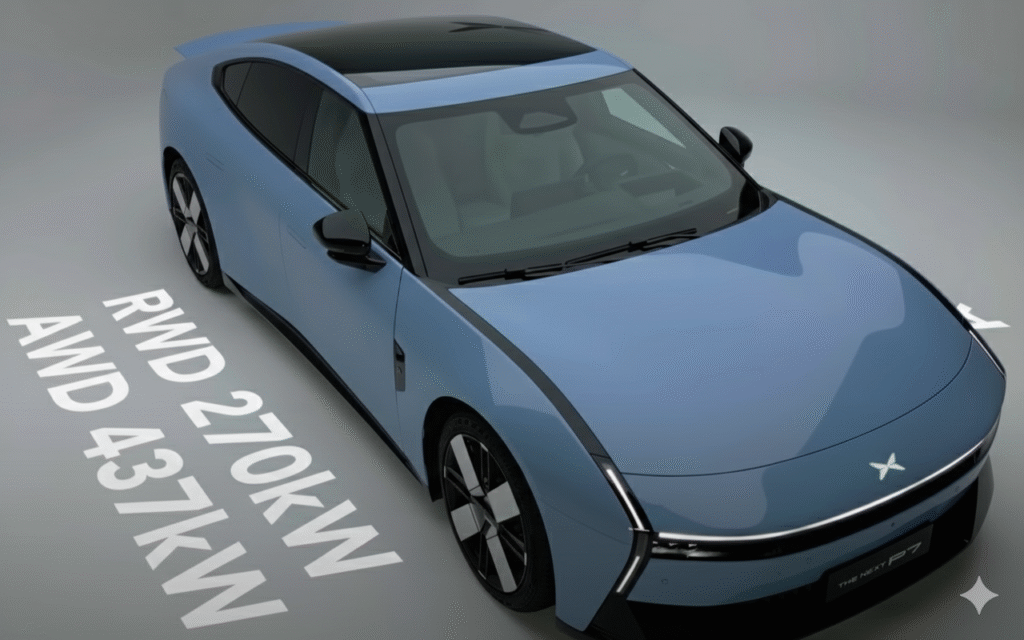
Specs for Existing Model
1. Body Style and Size Segment (including dimensions)
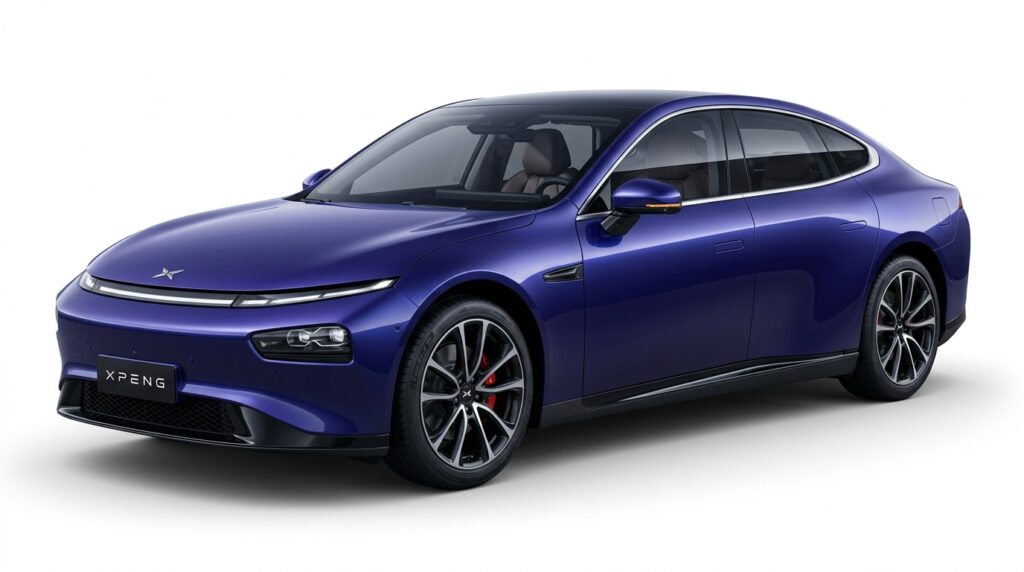
The 2025 Xpeng P7 is a 4-door fastback sedan. It boasts a sleek, aerodynamic profile with a cyberpunk aesthetic. Its dimensions are 5,017 mm in length, 1,970 mm in width, and 1,427 mm in height, with a wheelbase of 3,008 mm. This places it firmly in the mid-to-large executive car segment, being larger than its predecessor.
2. Platform Architecture including Voltage plus Range & Efficiency
The 2025 P7 is expected to utilize an 800V SiC (silicon carbide) platform, a significant upgrade over the previous 400V architecture, enabling faster charging and improved efficiency. While official range figures are still being finalized, the P7 offers various battery options, including LFP and NMC chemistries. Previous models offered up to 576 km WLTP range. DC fast charging up to 175 kW is supported.
3. Technical Capabilities (e.g. driver Assistance features)
The P7 integrates Xpeng’s latest driver-assistance system, likely powered by dual Nvidia Orin-X chips with 508 TOPS of computing capability and supported by an array of 27 sensors (radars, ultrasonic, cameras). This includes advanced features such as urban and highway-assisted driving, automated valet parking, and remote parking. Over-the-air (OTA) updates continuously enhance these capabilities.
4. Quality of the Interior, the Storage Capacity (Front & Rear)
The interior of the P7 is designed with a minimalist yet premium aesthetic, utilizing high-quality materials and offering generous space for five occupants. It features a large central touchscreen and a digital driver’s display. The trunk offers a decent capacity of 440 litres. There is no listed front trunk (frunk), with that space dedicated to other technology.
5. App functionality
The Xpeng app provides comprehensive control and monitoring functionalities for the P7. Users can remotely lock/unlock the car, check battery status, and control various in-car functions. It also supports remote summoning for tight parking spots, scheduling service appointments, and receiving OTA updates.
6. 3 Pros and 3 Cons of having this car
Pros:
- Striking and modern design.
- Advanced driver-assistance systems and smart features.
- Improved 800V architecture for faster charging.
Cons:
- No Apple CarPlay/Android Auto integration.
- Lack of a dedicated front trunk (frunk).
- Newer brand presence in some markets.
7. Overall Summary
The 2025 Xpeng P7 presents a compelling package as a technologically advanced electric sedan. With its larger dimensions, enhanced 800V platform, and sophisticated driver-assistance features, it aims to compete strongly with established electric sedans like the Tesla Model 3/S and BYD Seal, offering a premium experience with a focus on smart mobility at a potentially more accessible price point.
Specs for Existing Model
Real world range estimates
The table below shows some estimated real-world examples in perfect condition and in conditions needing A/C to heat or cool vehicles. See our range guide to see how the range is affected in real world.
| Range | Consumption | |
|---|---|---|
| 90kmh/56mph perfect condition | 345km / 214 mi | 24 kWh/100km / 2,6 mi/kWh |
| 90kmh/56mph with 2KW heating | 323km /196mi | 26,2 kWh/100km /2,4 mi/kWh |
| 120kmh/75mph perfect condition | 295 km / 183 mi | 28 kWh/100km / 2,2 mi/kWh |
| 120kmh/75mph with 2KW heating | 278 km /173mi | 29,7 kWh/100km /2,1 mi/kWh |
– Related Posts
, €40k–45k / £35k–39k / $46.4k-52.2k
, €45k–50k / £39k–44k / $52.2-58k
, €50k–55k / £44k–48k / $58k-63.8k
, 0800v (DC Ultra Charging)
, HATCHBACK
, LFP(Lithium Iron Phosphate)
, Reviews
, SALON/SEDAN
, SG Buyers Score: 8.9
, V2L (Vehicle To Load)
, WLTP 400-499 km/249m-310m
, WLTP 500-599 km /310m-372m
, XPENG
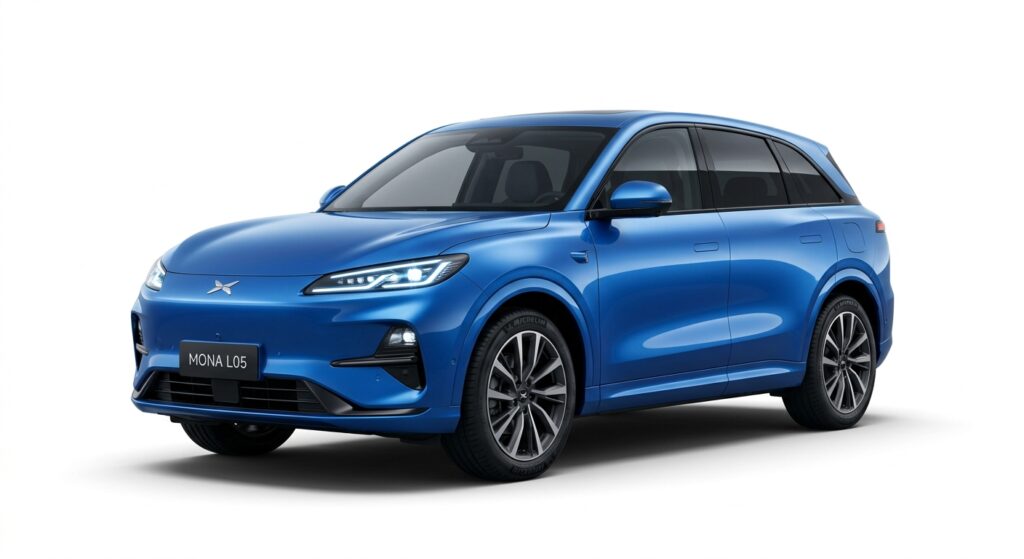
, €20k–25k / £17k–22k / $23.2k–29k
, €25k–30k / £22k–26k / $29k–34.8k
, €30k–35k / £26k–31k / $34.8k–40.6k
, 0800v (DC Ultra Charging)
, D. MID-SIZE
, LFP(Lithium Iron Phosphate)
, Reviews
, SG Buyers Score: 8.4
, SUV(SPORTS UTILITY VEHICLE)
, V2L (Vehicle To Load)
, WLTP 500-599 km /310m-372m
, XPENG
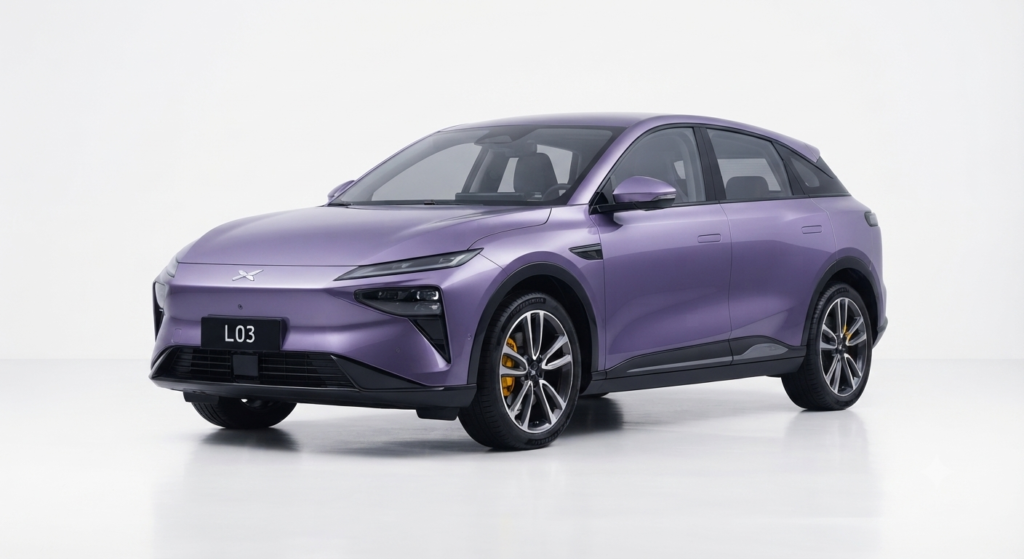
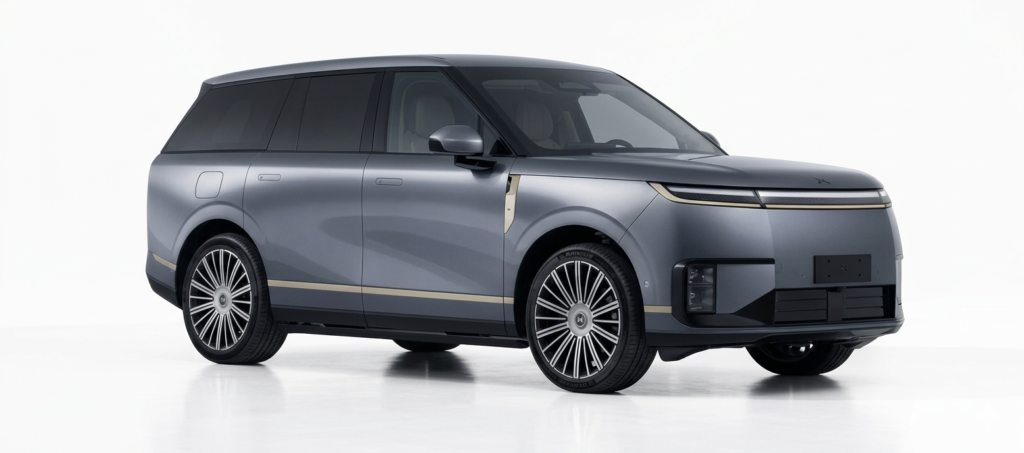
, €40k–45k / £35k–39k / $46.4k-52.2k
, €50k–55k / £44k–48k / $58k-63.8k
, €55k–60k / £48k–52k / $63.8-69.6k
, 0800v (DC Ultra Charging)
, COUPE/FASTBACK
, D. MID-SIZE
, LFP(Lithium Iron Phosphate)
, Reviews
, SUV(SPORTS UTILITY VEHICLE)
, WLTP 400-499 km/249m-310m
, WLTP 500-599 km /310m-372m
, XPENG
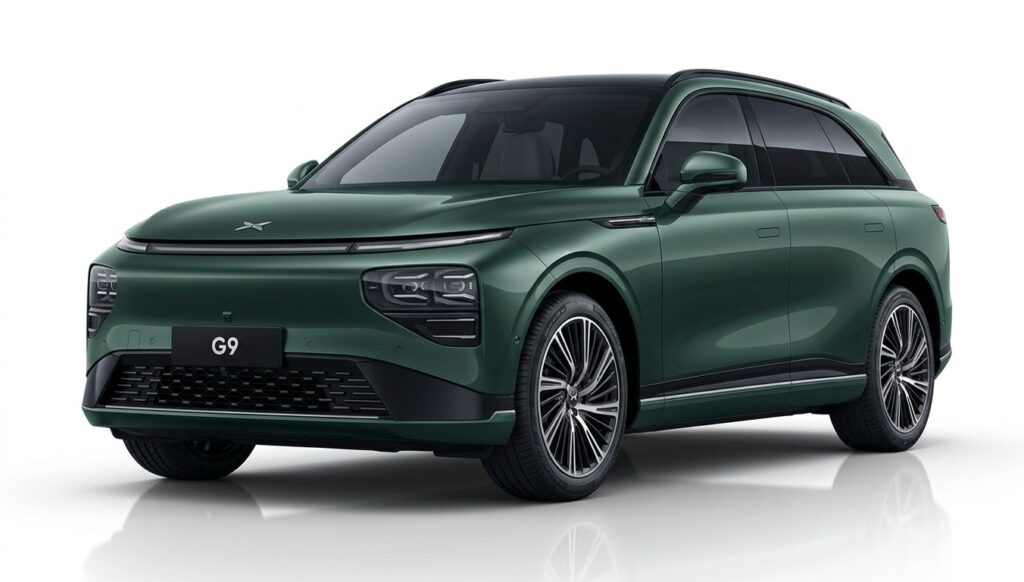
, €65k–70k / £57k–61k / $75.4k-81.2k
, €70k–75k / £61k–65k / $81.2k-87k
, €75k–80k / £65k–70k / $87k-92.8k
, €80k–85k / £70k–74k / $92.8k-98.6k
, 0800v (DC Ultra Charging)
, E. FULL-SIZE
, LFP(Lithium Iron Phosphate)
, Reviews
, SG Buyers Score: 9.1
, SUV(SPORTS UTILITY VEHICLE)
, V2L (Vehicle To Load)
, WLTP 500-599 km /310m-372m
, XPENG
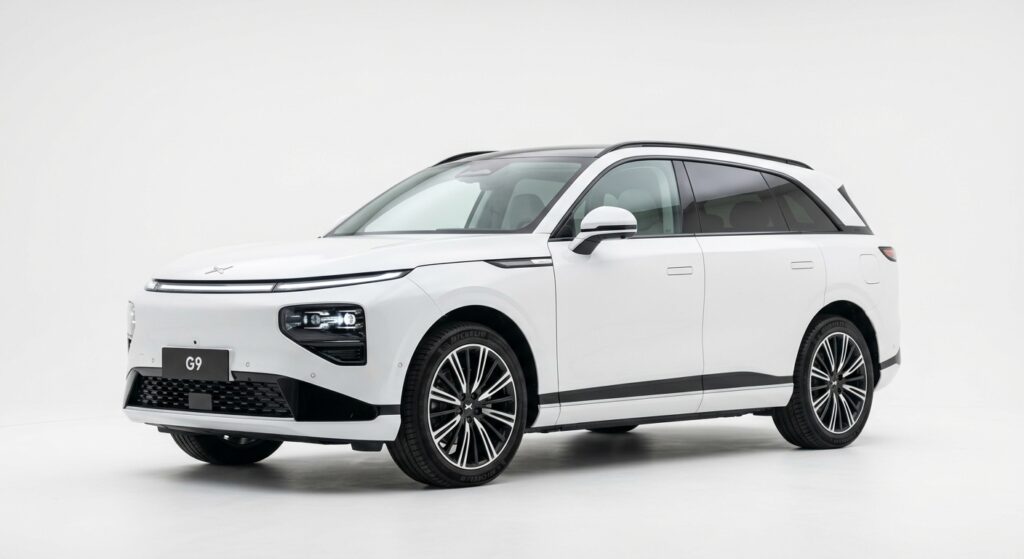
, €60k–65k / £52k–57k / $69.6k-75.4k
, €65k–70k / £57k–61k / $75.4k-81.2k
, €70k–75k / £61k–65k / $81.2k-87k
, CROSSOVER
, E. FULL-SIZE
, NMC(Nickel Manganese Cobalt)
, Reviews
, SG Buyers Score: 8.8
, SUV(SPORTS UTILITY VEHICLE)
, V2G (Vehicle To Grid)
, V2H (Vehicle To Home)
, V2L (Vehicle To Load)
, WLTP 500-599 km /310m-372m
, XPENG
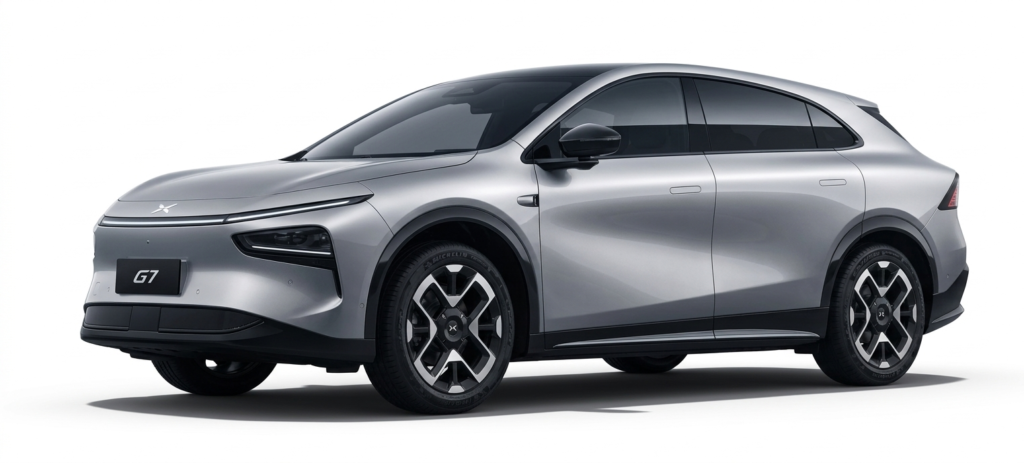
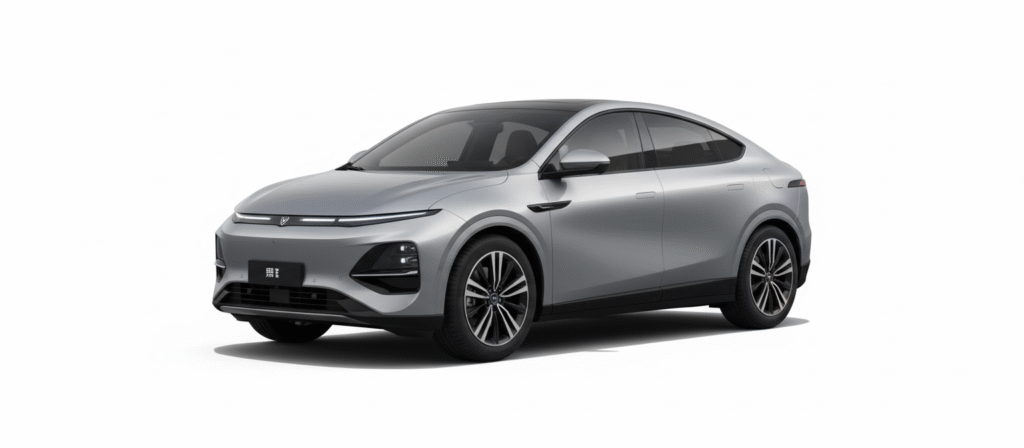
, €40k–45k / £35k–39k / $46.4k-52.2k
, €50k–55k / £44k–48k / $58k-63.8k
, €55k–60k / £48k–52k / $63.8-69.6k
, 0800v (DC Ultra Charging)
, COUPE/FASTBACK
, D. MID-SIZE
, LFP(Lithium Iron Phosphate)
, Reviews
, SUV(SPORTS UTILITY VEHICLE)
, V2L (Vehicle To Load)
, WLTP 400-499 km/249m-310m
, WLTP 500-599 km /310m-372m
, XPENG
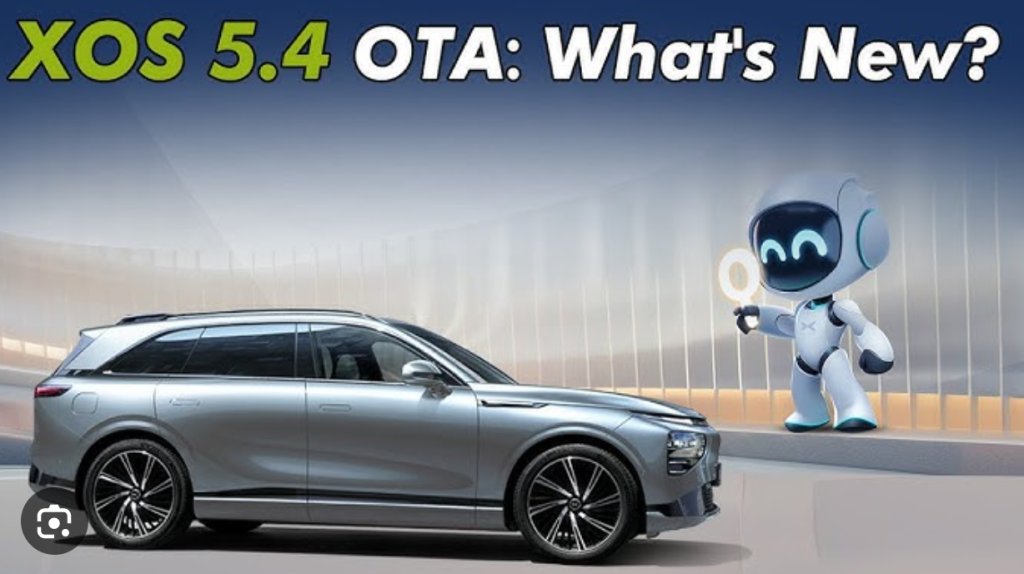
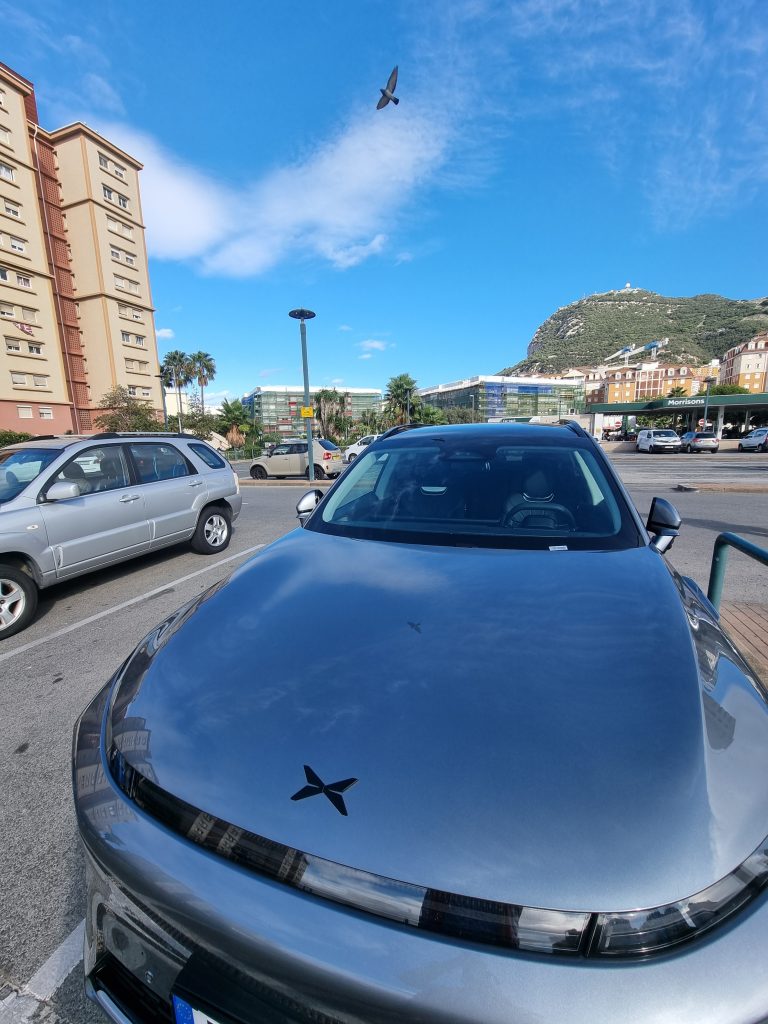
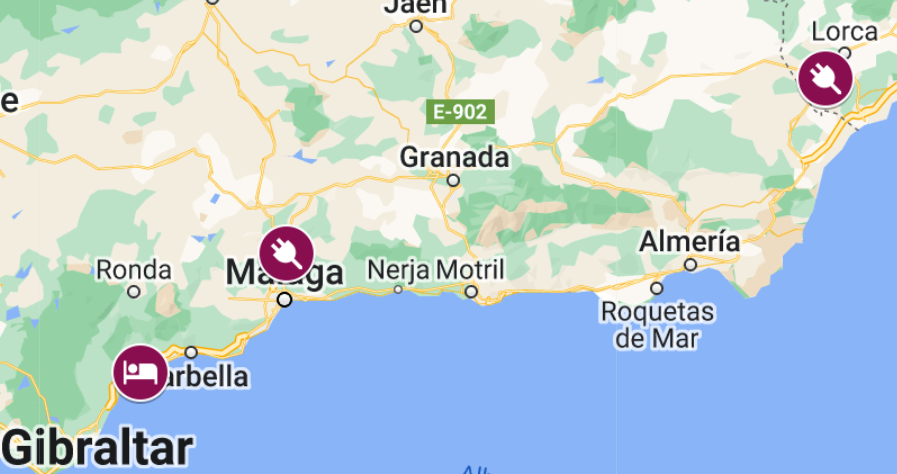

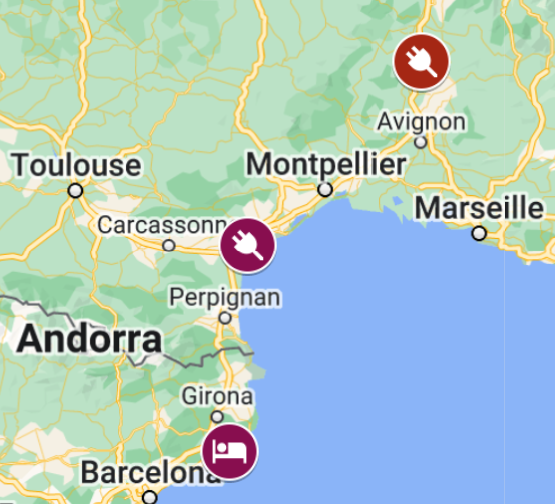
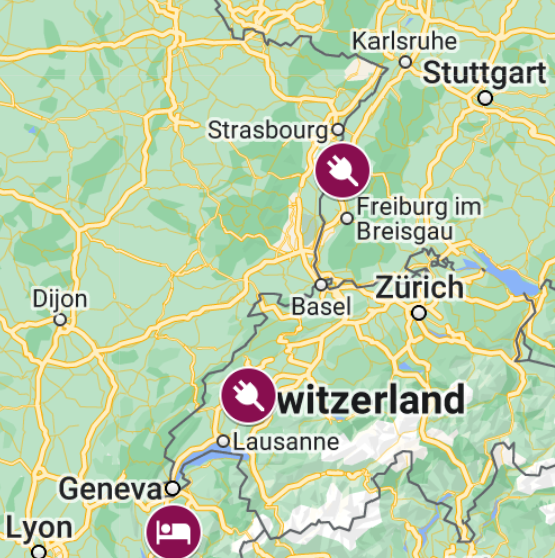
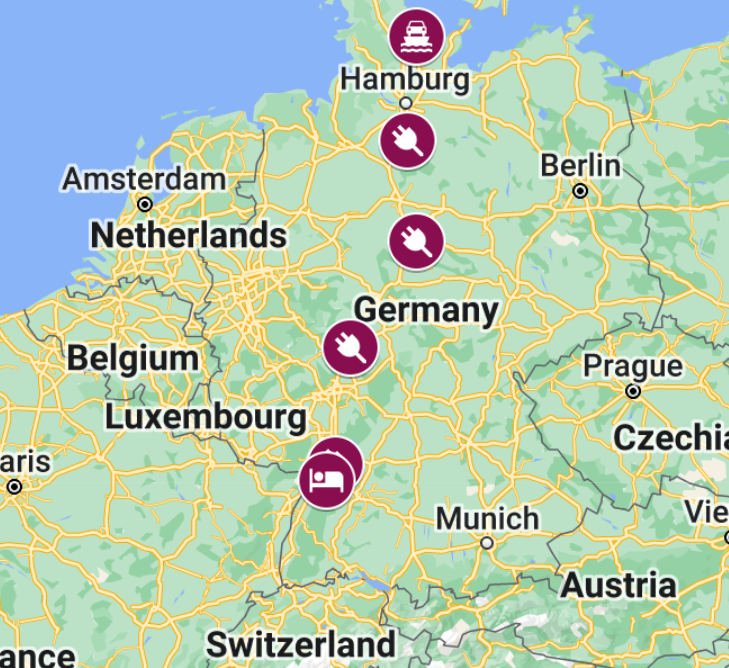
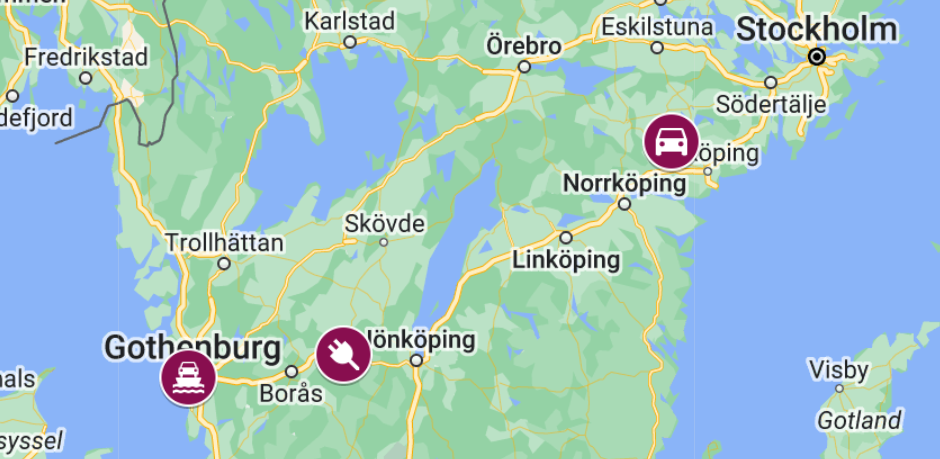
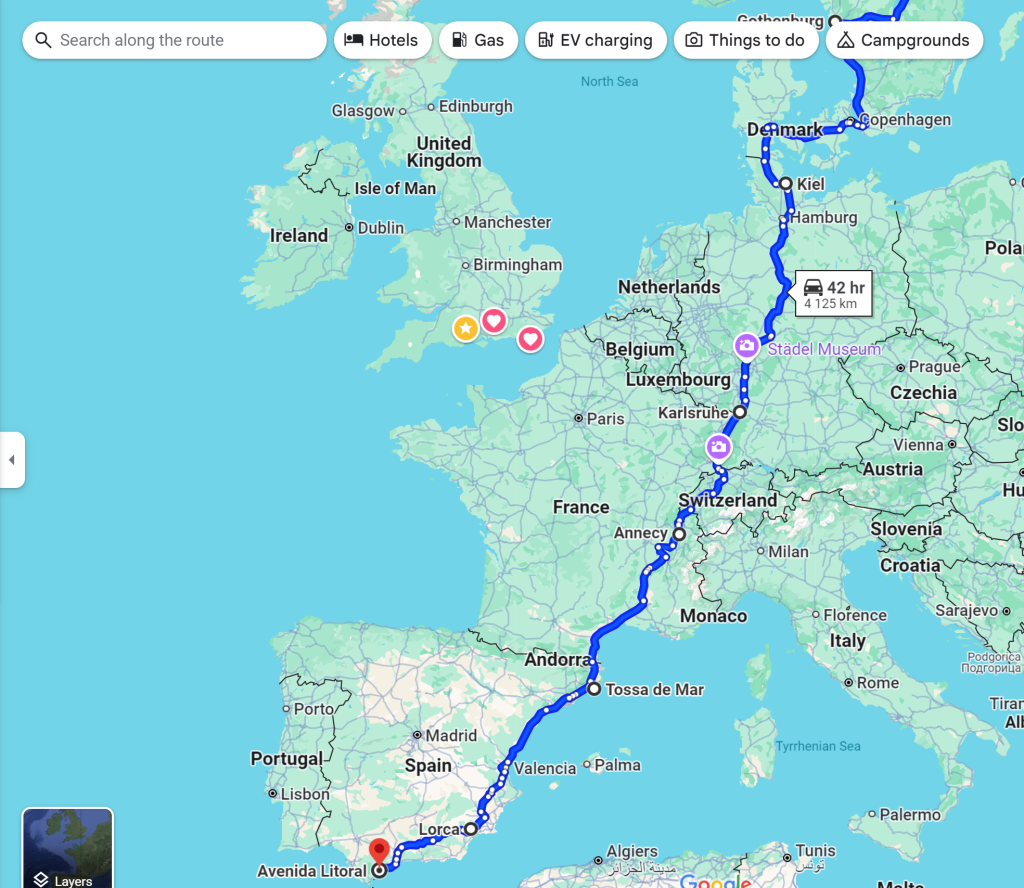
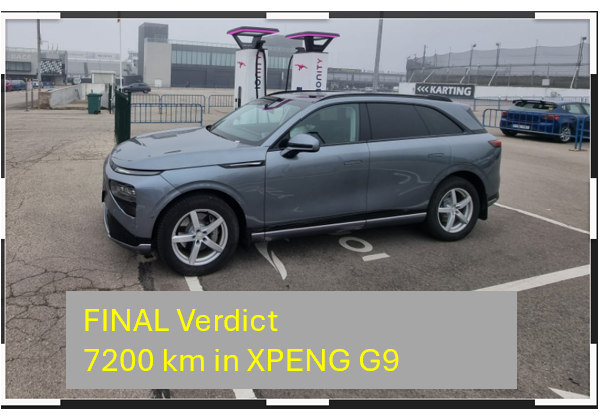
P7 Is a great EV, wondering if there will be a refresh soon?
Not sure, but visiting the dealer soon, so I will try and get an update.