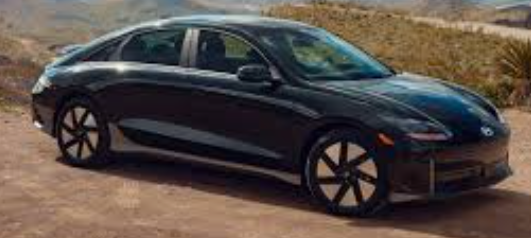
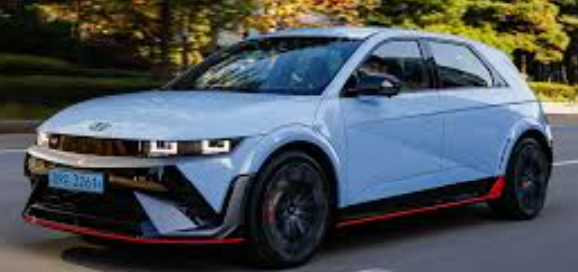
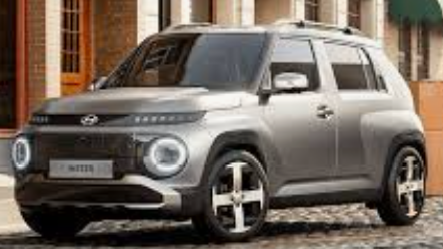
HYUNDAI IONIQ 5: A Retro-Futuristic Masterclass
The 2026 Hyundai Ioniq 5 continues to dominate the EV landscape by blending 8-bit retro aesthetics with cutting-edge 800V architecture. With a refreshed interior, larger 84 kWh battery option, and the addition of a rear wiper, it addresses past critiques while maintaining its status as a charging champion.
Price Range: €44,000 – €62,000 (Estimated, varying by region and battery size).
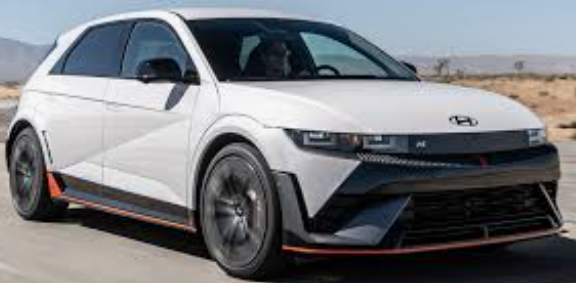
Body Style and Size Segment
The Ioniq 5 is a Midsize Crossover (C-SUV) that masks its true scale with hatchback-inspired styling. It measures 4,655 mm in length, 1,890 mm in width, and 1,605 mm in height. Its defining feature is a massive 3,000 mm wheelbase, which is longer than many full-size SUVs, providing unparalleled legroom.
Platform Architecture
Built on the E-GMP (Electric-Global Modular Platform), it utilizes an 800V system for ultra-fast charging (10% to 80% in 18 minutes). The NMC (Nickel Manganese Cobalt) battery comes in two sizes: 63 kWh and 84 kWh. The Long Range RWD variant offers a WLTP range of up to 570 km with an efficiency of approximately 17.0 kWh/100km. Acceleration is brisk, with the AWD model hitting 0-100 km/h in 5.3 seconds.
Technical Capabilities
Hyundai’s SmartSense suite provides Level 2 semi-autonomous driving, including Highway Driving Assist 2, Blind-Spot View Monitor, and Remote Smart Parking Assist. It also features Vehicle-to-Load (V2L), allowing the car to power external electrical devices via a 230V socket.
Quality of the Interior
The cabin is a “Living Space” featuring eco-friendly materials like recycled PET plastics, bio-TPO, and eco-processed leather. Storage is generous: the rear trunk offers 527 liters (expanding to 1,587 liters), complemented by a 57-liter “frunk” (RWD models) for charging cables.
App Functionality
The Hyundai Bluelink app offers comprehensive remote control, including:
Remote climate pre-conditioning.
Charging schedule management and status monitoring.
Digital Key 2 (using your smartphone as a key).
Last Mile Navigation and vehicle health diagnostics.
3 Pros and 3 Cons
Pros: Industry-leading 800V charging speeds; massive, airy cabin; unique head-turning design.
Cons: Infotainment menus can be complex; high-speed highway efficiency drops significantly; large turning circle makes tight city maneuvers tricky.
Overall Summary
The 2026 Ioniq 5 remains a benchmark in the EV sector. While the Tesla Model Y offers more cargo space and the Kia EV6 a sportier drive, the Hyundai wins on charging tech, passenger comfort, and pure personality. It is the ideal choice for those transitioning to electric who refuse to compromise on style or tech.
Real world range estimates
The table below shows some estimated real-world examples in perfect condition and in conditions needing A/C to heat or cool vehicles. See our range guide to see how the range is affected in real world.
| Range | Consumption | |
|---|---|---|
| 90kmh/56mph perfect condition | 471km / 293 mi | 17 kWh/100km / 3,7 mi/kWh |
| 90kmh/56mph with 2KW heating | 429km /259mi | 19,2 kWh/100km /3,2 mi/kWh |
| 70mph/112kmh perfect condition | 364 km / 226 mi | 22 kWh/100km / 2,8 mi/kWh |
| 70mph/112kmh with 2KW heating | 337km / 209mi | 23,8 kWh/100km / 2,6 mi/kWh |
| 120kmh/75mph perfect condition | 333 km / 207 mi | 24 kWh/100km / 2,6 mi/kWh |
| 120kmh/75mph with 2KW heating | 311 km /193mi | 25,7 kWh/100km /2,4 mi/kWh |
– Related Posts
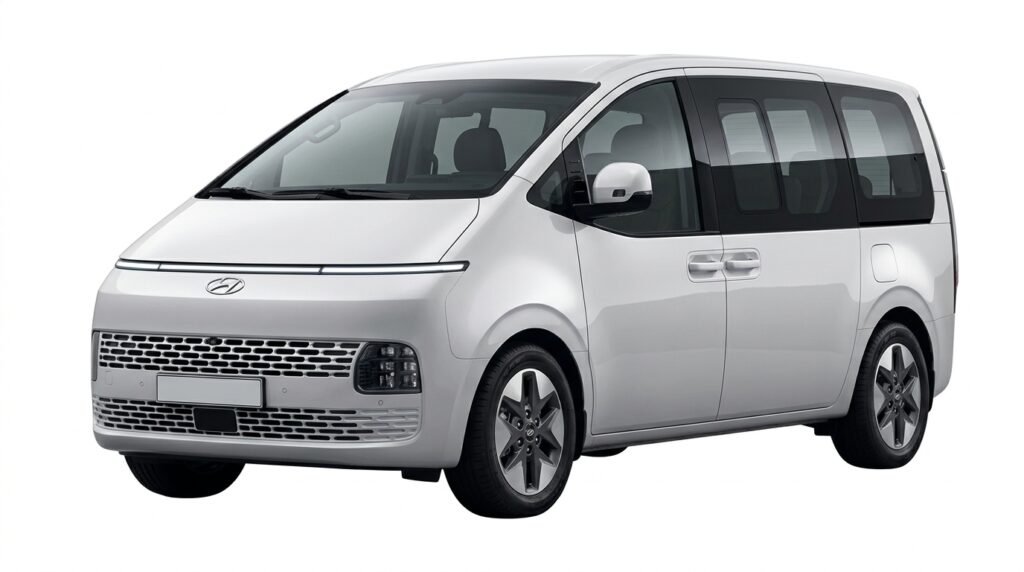
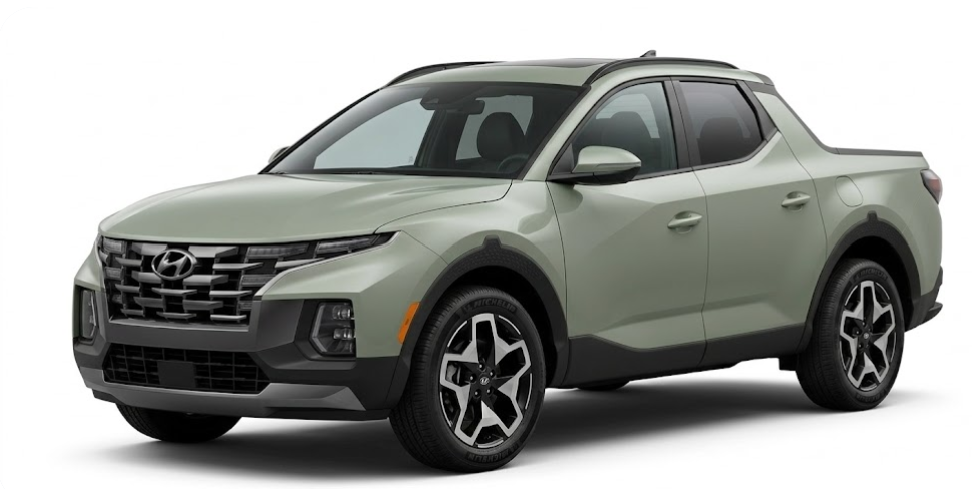
, €55k–60k / £48k–52k / $63.8-69.6k
, €60k–65k / £52k–57k / $69.6k-75.4k
, €65k–70k / £57k–61k / $75.4k-81.2k
, €70k–75k / £61k–65k / $81.2k-87k
, €75k–80k / £65k–70k / $87k-92.8k
, 0800v (DC Ultra Charging)
, HYUNDAI
, NMC(Nickel Manganese Cobalt)
, O. OTHER SIZE
, PICKUP
, Reviews
, WLTP 500-599 km /310m-372m
, €65k–70k / £57k–61k / $75.4k-81.2k
, €70k–75k / £61k–65k / $81.2k-87k
, €75k–80k / £65k–70k / $87k-92.8k
, 0800v (DC Ultra Charging)
, E. FULL-SIZE
, HYUNDAI
, NMC(Nickel Manganese Cobalt)
, SUV(SPORTS UTILITY VEHICLE)
, V2G (Vehicle To Grid)
, V2H (Vehicle To Home)
, V2L (Vehicle To Load)
, WLTP 600-699 km /372m-435m
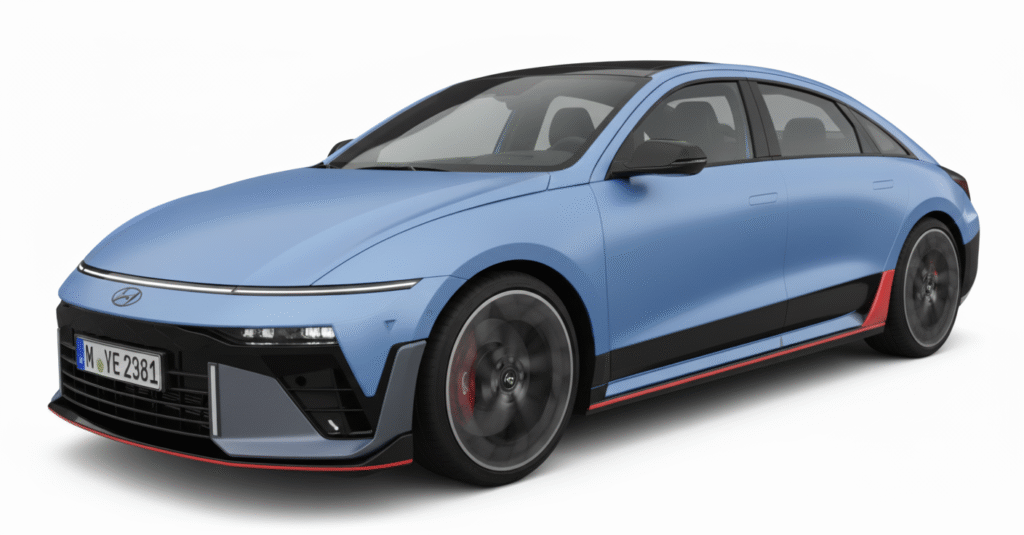
, €50k–55k / £44k–48k / $58k-63.8k
, €75k–80k / £65k–70k / $87k-92.8k
, 0800v (DC Ultra Charging)
, D. MID-SIZE
, HYUNDAI
, NMC(Nickel Manganese Cobalt)
, Reviews
, S. SPORTS CARS
, SALON/SEDAN
, SPORTS CAR
, V2G (Vehicle To Grid)
, V2H (Vehicle To Home)
, V2L (Vehicle To Load)
, WLTP 600-699 km /372m-435m